HANGZHOU JUNENG LIGHTING CO., LTD : Your Trustworthy LED Bulb Manufacturer!
HANGZHOU JUNENG LIGHTING CO., LTD is an integrated comprehensive lighting manufacturer covering R&D, production, distribution, and after-sales in Hang Zhou, Zhejiang province. We mainly use various kinds of LED lamps, like LED bulbs, LED panel lights, LED tubes, and led downlights.
Rich Product Range
Our company can produce and manufacture LED bulbs, LED filament bulbs, LED panel lights, LED downlights, mini LED lights, LED floodlights, LED bulkhead lights, etc.
Wide Sales Market
Our products have a good market in Asia, Europe, the Middle East, North and South America, etc., and are committed to providing customers with the most competitive products.
Leading Service
We have many years of industry experience and a complete production management, quality supervision, sales service operation system. Whether you want to buy mini LED lights or LED panel lights, just send your requirements by email, and we can customize the product for you.
Customizable
Our team has multi-professional R&D and production experience in the field of product research and development, which can meet the needs of different markets and customers. And OEM/ODM customization is available.
-
![LED UFO Bulb]() LED UFO BulbThis LED UFO Bulb adopts an innovative detachable and combinable lamp head design. During the transportation process, the lamp head and the main body can be easily disassembled. This flexible structural innovation enables a more compact...view more
LED UFO BulbThis LED UFO Bulb adopts an innovative detachable and combinable lamp head design. During the transportation process, the lamp head and the main body can be easily disassembled. This flexible structural innovation enables a more compact...view more -
![Rechargeable Light Bulbs For Lamps]() Rechargeable Light Bulbs For LampsThis rechargeable light bulbs for lamp with a lamp head that can be paired with a hook for direct use. The brightness of the light is 300lm, which is moderate and is the best choice for convenient lighting.view more
Rechargeable Light Bulbs For LampsThis rechargeable light bulbs for lamp with a lamp head that can be paired with a hook for direct use. The brightness of the light is 300lm, which is moderate and is the best choice for convenient lighting.view more -
![Usb Rechargeable Light Bulb]() Usb Rechargeable Light BulbThis USB rechargeable light bulb has the appearance of an A60 bulb, and the lamp head can be paired with a hook base for multiple uses, making it convenient and easy to use.view more
Usb Rechargeable Light BulbThis USB rechargeable light bulb has the appearance of an A60 bulb, and the lamp head can be paired with a hook base for multiple uses, making it convenient and easy to use.view more -
![Led Light Bulb Rechargeable]() Led Light Bulb RechargeableThis LED light bulb rechargeable is a multifunctional charging light bulb with high adaptability and different accessories. It can be used as both a camping light and a table lamp with diverse color temperatures, bringing you a...view more
Led Light Bulb RechargeableThis LED light bulb rechargeable is a multifunctional charging light bulb with high adaptability and different accessories. It can be used as both a camping light and a table lamp with diverse color temperatures, bringing you a...view more -
![Best Rechargeable Light Bulbs]() Best Rechargeable Light BulbsThis best rechargeable light bulb not only has low energy consumption, high brightness, and long battery life, but also supports interaction with other smart devices. Through convenient touch or remote control operation, as well as...view more
Best Rechargeable Light BulbsThis best rechargeable light bulb not only has low energy consumption, high brightness, and long battery life, but also supports interaction with other smart devices. Through convenient touch or remote control operation, as well as...view more -
![Rechargeable Bulb Light]() Rechargeable Bulb LightThis rechargeable bulb light's lamp holder can choose E26 \ E27 \ E14 \ E12, with increased options, including RGBCW and CW lighting models, which can be freely selected according to needs. Charging only takes 2.5 hours, and it can work...view more
Rechargeable Bulb LightThis rechargeable bulb light's lamp holder can choose E26 \ E27 \ E14 \ E12, with increased options, including RGBCW and CW lighting models, which can be freely selected according to needs. Charging only takes 2.5 hours, and it can work...view more -
![White Ufo Led Lights]() White Ufo Led LightsWhite ufo led lights bear a striking resemblance to UFOs in overall shape, exuding a strong sense of modern technology. The main body of the lamp is white and takes on a flat, disc - shaped form. Its top is a smooth, semi - circular arc...view more
White Ufo Led LightsWhite ufo led lights bear a striking resemblance to UFOs in overall shape, exuding a strong sense of modern technology. The main body of the lamp is white and takes on a flat, disc - shaped form. Its top is a smooth, semi - circular arc...view more -
![Ufo Style Led Lights]() Ufo Style Led LightsThe ufo style led lights is a separated - body UFO - shaped lamp. It has a unique appearance design, with the main body in a disc shape, resembling a flying saucer. The lamp is divided into two parts: the upper part is a smooth white...view more
Ufo Style Led LightsThe ufo style led lights is a separated - body UFO - shaped lamp. It has a unique appearance design, with the main body in a disc shape, resembling a flying saucer. The lamp is divided into two parts: the upper part is a smooth white...view more -
![UFO Lights Led]() UFO Lights LedThis UFO lights led integrates the functions of lighting, RGB color - changing, and music playback. The upper part is a smooth circular lampshade, and there is an opening area similar to a speaker on the lampshade. The built - in...view more
UFO Lights LedThis UFO lights led integrates the functions of lighting, RGB color - changing, and music playback. The upper part is a smooth circular lampshade, and there is an opening area similar to a speaker on the lampshade. The built - in...view more -
![Led Ufo Fixture]() Led Ufo FixtureThis led ufo fixture is an ultra - thin UFO - shaped lamp. The overall appearance is in the shape of a flat disc, resembling a flying saucer, which is highly modern and technological. The main body of the lamp is white with a smooth...view more
Led Ufo FixtureThis led ufo fixture is an ultra - thin UFO - shaped lamp. The overall appearance is in the shape of a flat disc, resembling a flying saucer, which is highly modern and technological. The main body of the lamp is white with a smooth...view more -
![Best Ufo Led Lights]() Best Ufo Led LightsThe best ufo led lights features an innovative separated - body design. The upper part is a white lampshade as smooth as a mirror, with extremely high light - transmittance material. The lower part is a base made of aluminum plate,...view more
Best Ufo Led LightsThe best ufo led lights features an innovative separated - body design. The upper part is a white lampshade as smooth as a mirror, with extremely high light - transmittance material. The lower part is a base made of aluminum plate,...view more -
![E27 LED Bulb]() E27 LED BulbThe top of this E27 LED Bulb is a white hemispherical lampshade, and the lower part is a shell with a fin - like structure. The fins are arranged in a regular pattern, increasing the surface area. The lamp base is a common screw - type...view more
E27 LED BulbThe top of this E27 LED Bulb is a white hemispherical lampshade, and the lower part is a shell with a fin - like structure. The fins are arranged in a regular pattern, increasing the surface area. The lamp base is a common screw - type...view more


What is LED Bulb
LED bulbs, short for Light Emitting Diode bulbs, are a type of solid-state lighting that uses semiconductor technology to produce light. They are designed to be a more energy-efficient alternative to traditional incandescent and fluorescent bulbs. LED bulbs work by passing an electrical current through a microchip, which then emits light.
Features of LED Bulb
Energy Efficiency and Cost Savings
One of the most immediate benefits you’ll notice when switching to LED bulbs is the significant energy efficiency and cost savings. Unlike traditional incandescent bulbs, LEDs use less power to produce the same amount of light, meaning they can save about six times the energy. This efficiency translates directly into savings on your electric bill, as LEDs are estimated to be 80-90% more energy-efficient.
Longevity and Maintenance
Another standout feature of LED bulbs is their long life. While a standard incandescent bulb may last approximately 2,000 hours, an LED bulb can continue to shine for an impressive 75,000 hours or more, depending on usage. This incredible longevity means you won’t be replacing your bulbs as often, saving you time and money on maintenance costs.
Durability and Reliability
Durability is another cornerstone of LED bulb design. LED bulbs have a remarkable lifespan, some lasting a minimum of 50,000 hours. When you opt for LED lighting, you’re investing in a bulb that can last up to 25 times longer than traditional incandescent bulbs. This durability means fewer replacements and reduced maintenance costs.
Compatibility Issues
You might encounter compatibility issues when installing LED bulbs. Not all existing light fixtures and dimmers are suitable for LED technology. You could face incompatibility with older dimming systems, leading to flickering or incomplete dimming. Ensuring that your fixtures and dimmers are LED-compatible is essential to avoid any potential issues.
LED Chip
An LED chip is a tiny electronic device made from semiconductor materials, such as aluminum gallium and gallium nitride. A small amount of foreign material, such as gallium arsenide or silicon, is combined with the semiconductor. This mixture creates a boundary between two regions, called a p-n junction.
Heat Sink
Most of the electrical energy fed into an LED light bulb transforms into light energy. However, a small amount is converted into heat, which can damage the bulb over time. Overheating can shorten a light bulb’s lifespan if it’s not controlled effectively. This is where heat sinks come in handy, as they help dissipate the heat generated by the LED light bulb.
Lens
A lens is a transparent or translucent material placed over LED chips that helps shape, focus, and direct the light emitted by the LED chips. They’re often used to focus light on a certain area or a certain angle. Lenses are usually made from glass, plastic, or silicone. They can come in different sizes and shapes, depending on the needed application. Some lenses can help create a narrow and focused beam of light. On the other hand, some lenses diffuse a wider spread of light.
Base
The base of an LED light bulb connects the light bulb to the electrical circuit/power source. They contain two or more metal pins or contacts that fit into a socket. Essentially, it helps provide the necessary electrical contact for the LED light bulb. The base can also serve as a physical connection point between the LED light bulb and a light fixture or lamp. A secure base can provide stability to make sure that the LED light bulb does not move or shift while in use.
Enclosure
The primary function of an enclosure is to provide a protective cover for the internal components of the LED light bulb. It protects the bulb’s delicate internal components from being damaged by moisture, dust, and other external factors. The enclosure serves quite a few other functions. First, it provides a mount for the bulb to fit into. The mount is designed to hold the light bulb securely in place. Additionally, the enclosure can also direct and diffuse the light emitted by the LED chips.
Driver
The driver is an electronic device that regulates the power supplied to the LED chips. Its main function is to ensure that the LED chips receive the appropriate amount of electric power. Feeding the LED chips with too little or too much electric power may damage them over time.
Types of LED Bulb
Alphanumeric LED Light Bulbs
Alphanumeric LED light bulbs are used to display—As is apparent from the name—Numerical data, alphabetical information, or the like. They can be used on clocks, signs, announcements, and in many other cases where information needs to be projected.
Ceiling LED Light Fixture
The fact that most homes have some kind of LED light fixture in either the living room, dining room, or kitchen is probably very surprising for you. Nevertheless, it is true. In fact, your own home is probably equipped with LED lights for your convenience and you do not even know it.
Flush Mount Lights
These are comprised of an LED light surrounded by a decorative metallic casing. With the ability to light up an entire room for longer periods than traditional light bulbs, flush mount lights are a great LED light fixture investment.
LED Pendant Lights
Of all the types of LED light bulbs discussed in this article so far, LED pendant lights are by far some of the most common. Most commonly used to light kitchen areas, living rooms, and other indoor home spaces, these kinds of LED lights are relatively cheap and energy-efficient.
Adjustable Color LED Lights
These lights are not necessarily an exclusive type of LED light bulb. Rather, adjustable color is a neat feature that can be added to almost any LED light.
Learn Your Lumens
Because LED light bulbs don’t use much electricity (they use a small electrical charge to produce energy along the visible spectrum, thanks to highly specific, reactive compounds), you can’t really use watts to judge their brightness. Instead, look at lumens, a more direct measure of brightness. Around 800 lumens is equivalent to a 60-watt incandescent bulb, while 1600 lumens is about as bright as a 100-watt incandescent bulb.
Understand Color Temperature
Manufactures use the Kelvin temperature scale to show the general shade of the “white” bulb—Colors tend to fall between 2,700 and 6,500 Kelvin. A low Kelvin score means that bulbs are “warmer” and more yellow, like natural light, while a higher number means that light is “colder” and bluer. Pick the shade that fits the bulb’s purpose.
Watch For CRI
CRI stands for Color Rendering Index, a more direct way that manufacturers describe color accuracy for lights, with 100 being a perfect accuracy score. Not all manufacturers use CRI (many brands wouldn’t score well), but those that do tend to have high CRI scores in the 80s or 90s, a sign of quality LED lighting.


Choose Bulbs with Smart Features
Smart LED bulbs can be programmed and controlled through a smartphone app, and often offer additional features like the ability to change colors. These bulbs cost more, but are excellent for outdoor lighting or special indoor light control.
Warm Light is Homier
When in doubt on color temperature, go to the lower end of the Kelvin scale and choose bulbs that emit warmer light. These generally look more like incandescent bulbs and will help you stay away from harsh light that can be unpleasant in the evening.
Stay Away From Unnatural Blues and Reds
Choosing high-Kelvin lights can be smart for work areas (including the kitchen). However, actual blue and red lights may be fun to experiment with, but they don’t work well as long-term residential lighting.
Use Colors For Accent Lights
Here’s where color-changing LEDs can be useful—An off-white bulb in accent lighting can help draw attention to décor and show off corners of your home in the best ways. Don’t go too bright, though.
How to Install LED Bulb
Step 1: Turn Off the Power
Before starting, always prioritize safety. Turn off the power to the light fixture by switching off the corresponding circuit breaker or the wall switch. This step prevents any risk of electrical shock during installation. It’s also a good idea to let the old bulb cool down if you’re replacing one, as traditional bulbs can be hot after use.
Step 2: Choose the Correct LED Bulb
Make sure you have the right LED bulb for your fixture. LED bulbs come in different sizes, shapes, and bases, so it’s important to check the specifications of the fixture.
Step 3: Remove the Old Bulb
If you’re replacing an old bulb, carefully unscrew it from the socket. Grasp the base of the bulb and gently twist counterclockwise until it loosens. Be cautious if the bulb is hot, especially incandescent or halogen bulbs. If necessary, use a cloth or gloves to handle it safely.
Step 4: Inspect the Light Fixture
Before installing the new LED bulb, take a moment to inspect the light fixture and socket. Check for any signs of damage, such as rust, corrosion, or loose wires, which could affect the bulb’s performance or create safety hazards. If any issues are found, consider repairing or replacing the fixture before proceeding.
Step 5: Install the New LED Bulb
Now it’s time to install the new LED bulb. Align the base of the bulb with the socket, and gently twist it clockwise until it is securely in place. Be careful not to overtighten the bulb, as this can damage both the bulb and the fixture. Once the bulb is firmly installed, check that it sits properly in the socket without wobbling.
Step 6: Turn On the Power and Test the Bulb
Once the LED bulb is installed, turn the power back on by flipping the circuit breaker or wall switch. Test the bulb to ensure it’s working properly. If it’s a dimmable LED bulb, test the dimming function to see if it operates smoothly. If the bulb flickers or doesn’t work, double-check the installation and ensure it’s compatible with your fixture and electrical setup.
Step 7: Dispose of the Old Bulb Properly
If you’re replacing an old bulb, especially if it’s an incandescent, halogen, or compact fluorescent (CFL) bulb, dispose of it properly. LED bulbs can be recycled at most local recycling centers, while CFL bulbs may require special disposal due to the small amount of mercury they contain.
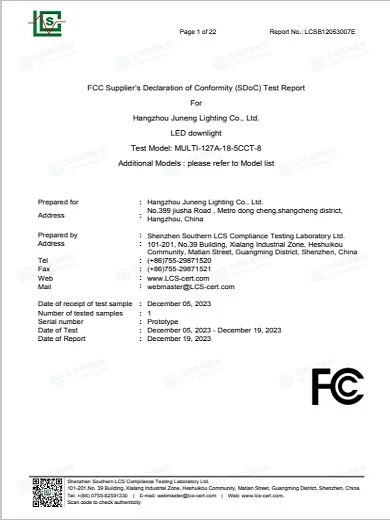
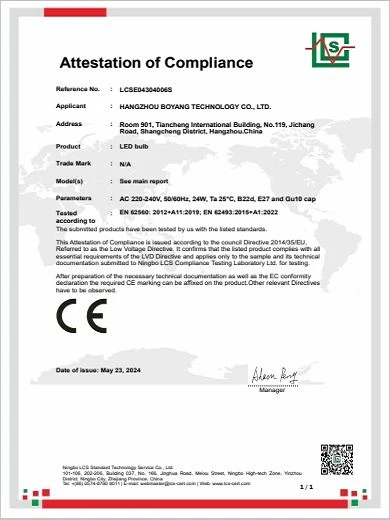
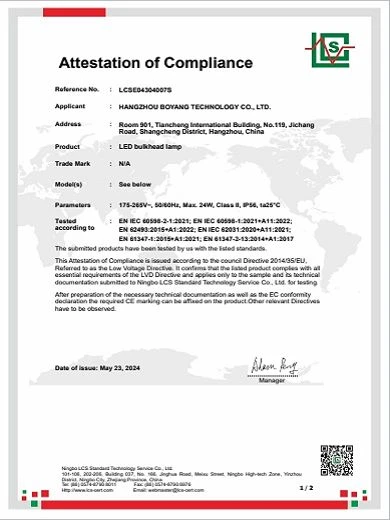
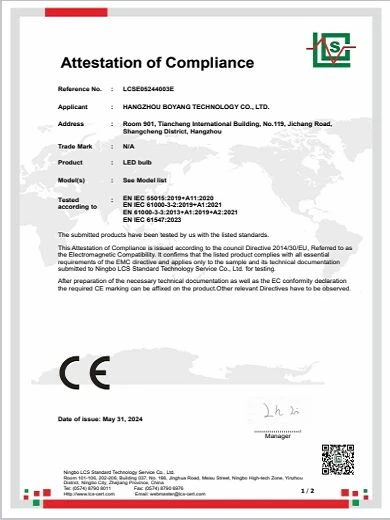
Certificate


Frequently Asked Questions
As one of the leading LED bulb manufacturers and suppliers in China, we warmly welcome you to wholesale custom made LED bulb from our factory. Contact us for more cheap products.
indoor lighting fixtures that are distributed, indoor lighting fixtures that are wholesaled