HANGZHOU JUNENG LIGHTING CO., LTD : Your Trustworthy LED Downlight Manufacturer!
HANGZHOU JUNENG LIGHTING CO., LTD is an integrated comprehensive lighting manufacturer covering R&D, production, distribution, and after-sales in Hang Zhou, Zhejiang province. We mainly use various kinds of LED lamps, like LED bulbs, LED panel lights, LED tubes, and led downlights.
Rich Product Range
Our company can produce and manufacture LED bulbs, LED filament bulbs, LED panel lights, LED downlights, mini LED lights, LED floodlights, LED bulkhead lights, etc.
Wide Sales Market
Our products have a good market in Asia, Europe, the Middle East, North and South America, etc., and are committed to providing customers with the most competitive products.
Leading Service
We have many years of industry experience and a complete production management, quality supervision, sales service operation system. Whether you want to buy mini LED lights or LED panel lights, just send your requirements by email, and we can customize the product for you.
Customizable
Our team has multi-professional R&D and production experience in the field of product research and development, which can meet the needs of different markets and customers. And OEM/ODM customization is available.
-
![Directional LED Can Light]() Directional LED Can LightA black ceiling mount drops slender cables to two metal rings — one wood grain, one matte black. The LED strip hidden between them throws a clean, even wash across the whole room.view more
Led chandelier from JUNENG pairs a wider outer ring... -
![Slim Led Downlights]() Slim Led DownlightsThis slim led downlight has a voltage of 120-277V, suitable for commercial and office lighting, with a lifespan of 50000 hours, 0-10V dimming, suitable for humid environments, easy to install, and includes a cover plate and V-shaped...view more
-
![Led Light Downlight]() Led Light DownlightThis led light downlight features a wide compression design, with a lifespan of up to 50000 hours. It supports 0-10V dimming, is easy to install, and offers a variety of sizes and power options. Very suitable for indoor use.view more
-
![Dimmable Led Downlights]() Dimmable Led DownlightsThis dimmable led downlight is available in two sizes, 4 inches and 6 inches, which not only enables smooth Triac dimming, but also offers multiple color temperature options (2700K to 5000K) to meet different scene needs.view more
-
![Gimble LED Downlight]() Gimble LED DownlightThis Gimble LED Downlight is adjustable 360 °+90 °, easy to install, suitable for both dry and humid environments, and comes with a 5-year limited warranty.view more
-
![Square LED Can Light]() Square LED Can LightThis Square LED Can Light has a wide range of size specifications and a wide compression design, which can meet different lighting needs with high cost-effectivenessview more
-
![Flat LED Can Light]() Flat LED Can LightThis Flat LED Can Light has multiple sizes, SMD chips, softer fiber optics, and a lighting angle of 110 °, providing a wider illumination rangeview more
-
![Slim Surface Mounted LED Downlight]() Slim Surface Mounted LED DownlightThis Slim Surface Mounted LED Downlight supports wide voltage input, adjustable color temperature, 2700-6500k color temperature, strong flexibility, and a lifespan of up to 50000 hours, reducing maintenance costs.view more
-
![Bathroom LED Downlight]() Bathroom LED DownlightThis Bathroom LED Downlight is an ETL Listed 5CCT Selectable Baffle LED Recessed Trim that is still suitable in damp places and has a lifespan of up to 50000 hours.view more
-
![Ultra Slim LED Downlight]() Ultra Slim LED DownlightThis Ultra Slim LED Downlight is a COB tube light that supports multi angle adjustment, multiple color appearances, and supports 2700k-65000 dimming.view more
-
![4 Inch LED Wafer Light]() 4 Inch LED Wafer LightThis 4 Inch LED Wafer Light has good waterproof effect, good air tightness, and is more moisture resistant than ordinary tube lights. It has a lifespan of up to 50000 hours, a long service life, and good cost-effectivenessview more
-
![6 Inch LED Wafer Light]() 6 Inch LED Wafer LightThis 6 Inch LED Wafer Light comes in three sizes: 4 inches, 6 inches, and 8 inches. It comes in a variety of standard colors and can be customized. It is waterproof and can be used normally even in humid environments.view more


What is LED Downlight
LED downlights, also known as recessed LED lights, are lighting fixtures that are installed into a ceiling, projecting light downward. They are popular in modern building design for their clean, minimalistic look and efficient lighting capabilities.
Features of LED Downlight
Energy Efficiency
One of the most compelling reasons to switch to LED downlights is their exceptional energy efficiency. LED (Light Emitting Diode) technology uses significantly less electricity compared to traditional incandescent or halogen bulbs. LEDs convert a higher percentage of energy into light rather than heat, which means they use less power to produce the same amount of light. This efficiency can lead to substantial reductions in your energy bills.
Cost Savings
Although the initial cost of LED downlights may be higher than traditional lighting options, the long-term savings are considerable. LEDs have a much longer lifespan, often lasting up to 25,000 to 50,000 hours, compared to 1,000 hours for incandescent bulbs. This means fewer replacements and lower maintenance costs over time. Additionally, the reduced energy consumption directly translates to lower electricity bills, providing ongoing financial savings.
Environmental Benefits
Switching to LED downlights is an environmentally responsible choice. LEDs consume less energy, which reduces the demand on power plants and decreases greenhouse gas emissions. Furthermore, LED bulbs do not contain hazardous materials like mercury, which is found in some other types of lighting. This makes LEDs safer to use and easier to dispose of responsibly.
Superior Light Quality
LED downlights offer superior light quality, with options for various color temperatures ranging from warm white to cool daylight. This versatility allows you to create the perfect ambiance for any room in your home. LEDs also provide consistent light output without flickering, which can be beneficial for reducing eye strain and improving overall comfort.
Enhanced Durability
LED downlights are designed to be highly durable and resistant to shocks, vibrations, and external impacts. Unlike traditional bulbs, which can easily break if dropped or knocked, LEDs are built to withstand tougher conditions. This makes them ideal for areas with high traffic or where the lights may be exposed to rough handling.
Instant Lighting
One of the notable advantages of LED downlights is their ability to provide instant illumination at full brightness. Unlike some traditional bulbs that take a few seconds to warm up, LEDs reach their full light output immediately. This instant lighting is particularly useful in areas where quick visibility is essential, such as stairways, hallways, and bathrooms.
Versatile Design Options
LED downlights come in a wide range of designs, shapes, and sizes, making it easy to find the perfect fit for your home’s décor. Whether you prefer recessed downlights for a sleek, modern look or surface-mounted options for a more traditional style, there is an LED solution to match your aesthetic preferences. Additionally, many LED downlights are dimmable, allowing you to adjust the light intensity to suit different activities and moods.
Tri-Colour and Dimmable Options
Modern LED downlights often feature tri-colour and dimmable options, providing even greater flexibility. Tri-colour LEDs allow you to switch between different colour temperatures (e.g., warm white, cool white, and daylight) with a simple toggle, helping you customise the lighting to your preferences and needs. Dimmable LEDs give you the ability to control the brightness, creating the perfect ambiance for any occasion, whether it's a bright, focused light for working or a softer, relaxing glow for unwinding.
Improved Safety
LED downlights operate at much cooler temperatures compared to incandescent and halogen bulbs. This significantly reduces the risk of burns or fire hazards, making them a safer choice for your home. The lower heat output also helps to keep your home cooler, which can be particularly beneficial during the warmer months.
Smart Lighting Compatibility
Many modern LED downlights are compatible with smart home systems, allowing you to control your lighting remotely through your smartphone or voice-activated devices. This added convenience can enhance your home’s functionality and efficiency, giving you greater control over your lighting environment.
IP20 Fixed LED Downlights
This type is the most common and most basic among the downlight types. An IP20 Fixed LED downlight is ideal for indoor use, except in the bathroom. While suitable for enclosed spaces, this lighting solution can still be used throughout any area, including the bedroom, living room, dining room, kitchen (away from the splash zones), storage room, hallway, and many more! An IP20 Fixed LED downlight is available in an extensive range of colours, finishes, shapes, and sizes, so you’ll have more options! Aside from that, there are dimmable and non-dimmable alternatives, so you can pick the most ideal for your lifestyle and necessities.
IP65 Bathroom Downlights
The most significant difference between an IP20 fixed downlight and an IP65 bathroom downlight is that the IP65 downlight is water-resistant. Therefore, you can use it in areas where water is present, including the bathroom’s zone 1. This downlight type comes in an adjustable and fixed option, as well as dimmable and non-dimmable versions. You can also get it in different finishes, colours, and sizes!
IP20 Adjustable Downlights
Since it’s IP20 as well, this downlight type is ideal for indoor use only. So, what is the difference between an IP20 adjustable and an IP20 fixed downlight? This one has an adjustable gimbal! A fixed LED downlight can only produce a steady downward beam. With an adjustable version, you can tilt the gimbal up and down to target the areas you want to highlight.
Fire Rated Downlights
A fire-rated downlight is designed with an intumescent pad that completely reseals the hole you cut to install your lights and restore your ceiling’s fire integrity. This downlight type can delay the spread of fire, providing everyone inside more time to escape. Buildings and homes with multiple levels are prescribed to use this downlight to further reinforce the property’s safety measures.
How to Choose LED Downlight
Shape
Both square and round downlight shapes are available, each used in different applications. You’ll typically find round downlights in residential settings like houses due to their softer, more natural look. While the square style is often found in professional spaces like offices and retail stores.
Size
As mentioned previously, LED downlights have quite the range when it comes to sizes. 5 to 6-inch downlights tend to be the most common choice, especially in residential spaces. That said, using multiple different sizes of downlights in one room can be effective in emphasizing certain areas. For example, having a row of smaller downlights over a kitchen island, with larger ones over the table.
Color
Color temperature is crucial when it comes to setting the mood of an environment. As you can imagine, downlights are no exception. Warmer toned downlights give off more of a cozy feel and tend to be found primarily in places like restaurants and living rooms. While the cool toned lights are thrown in more active spaces such as kitchens, bathrooms, and stores.
Cool White Light (6000K)
It has a crisp bluish tint and is often used for task lighting. It’ll enable you to see the space clearly and keep your concentration at maximum level. The only issue some people have with this is it can be too clinical. Nonetheless, cool white light is perfect if you want this kind of brilliance!
Natural White Light (4000K)
This resembles a cloudless sunny day and is ideal for task lighting. Unlike cool white, natural white has no shades of blue or yellow. If you want a milder version of task lighting that will still help you get your work done, natural white is your best option!
Warm White Light (3000K)
It has a yellowish hue similar to an old incandescent bulb. Warm white is excellent for ambient lighting as it can help stage a cosy and relaxing atmosphere.
Parts of LED Downlight
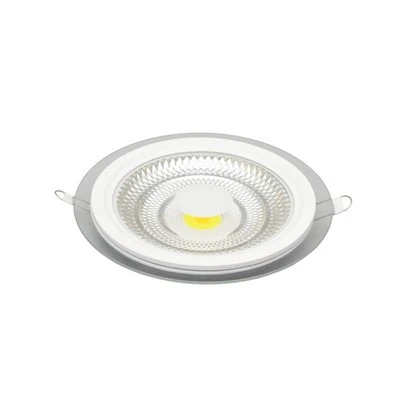
Led Chip
High-quality LED chip, high luminous efficiency, low temperature rise, high color rendering index, high junction temperature, antistatic. Inferior chips will shorten the lifespan of LED lamps in advance. It can be seen that high-quality LED lamps are inseparable from good LED chips.
Heat Sink
Since the LED chip will generate a lot of heat during operation, if it is not discharged in time, the heat accumulated by the lamp will damage the LED chip and even the parts, causing the entire lamp to be damaged in advance and causing light decay. phenomenon. When the light decays to 70% of the initial luminous flux, it has already marked the end of the life of the LED lamp. Therefore, the unsatisfactory heat dissipation performance is a direct cause of the shortened life of the LED downlight.
Led Driver
In many cases, LED lamps have problems, which are most likely due to drive failures. The electrolyte inside the low-quality driving power supply will continue to evaporate in large quantities over time and under the influence of heat energy, which will premature the premature aging of the lamps and accelerate the damage of the lamps.
Reflector
Reflector is an important part of LED lamps, which directly affects the shape of the light. Specifically, lamps that do not add reflectors or use transparent reflectors (such as traditional lamps) actually have no light distribution effect. The LED light source can be directly seen, which will cause glare when looking directly at the object, and glare will occur when the object is illuminated.
How to Install LED Downlight
Step 1: Isolate the Electrical Circuit
To prevent any accidents, you should isolate the electrical circuit before starting work.
Step 2: Mark out the Light Positions
Using a tape measure and pencil, decide where the lights will be positioned and mark these points on the ceiling, without disrupting any ceiling joists or wires. A quick way to check easily is to drill a small pilot hole, which should give you just enough space to feed a wire through to check for any issues. The wire should be bent at a 90-degree angle so that you can turn it a complete turn to check for disruptions. Once you know the position of a couple of joists, you will be able to predict their locations, as they are usually evenly spaced.
Step 3: Cut out the Downlighter Holes
A hole saw is a drill bit which you can use to cut a perfect hole to the exact size you require. It is important to take care when cutting to ensure that no close wires or cables are cut accidentally within the ceiling void space.
Step 4: Feed the Wiring Through the Holes
Downlighters are wired using radial circuits, which basically means they run in a line from the switch to each light in turn, until you reach the end of the line.
Step 5: Fix the Downlights Into Place
The two lugs on the downlights should be pushed in with the LED then pushed upwards into the hole. The downlight features springs which are designed to hold them in place within the ceiling. Simply hold these springs back against the sides of the LED when you push it into the hole, where they will then spring back and lay flat.
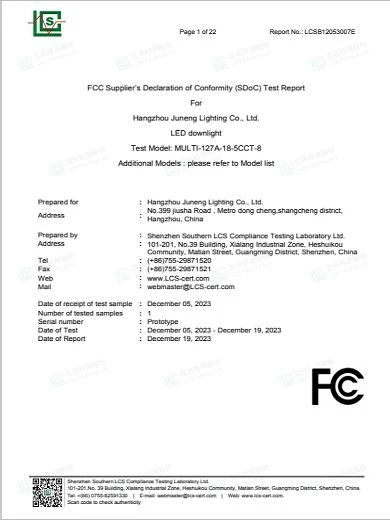
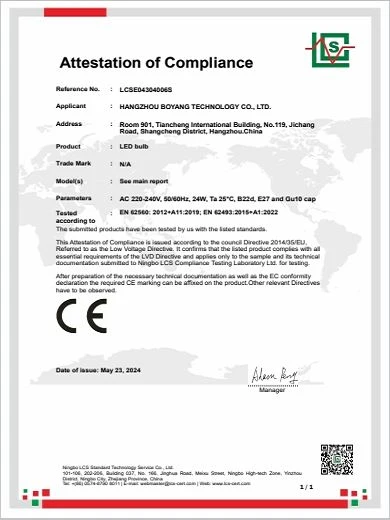
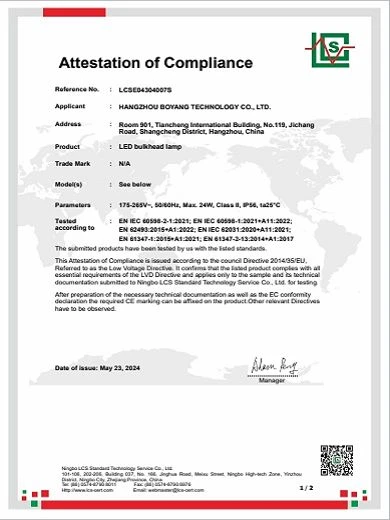
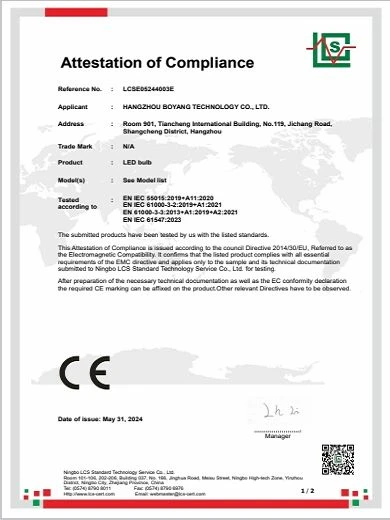
Certificate


Frequently Asked Questions
As one of the leading LED downlight manufacturers and suppliers in China, we warmly welcome you to wholesale custom made LED downlight from our factory. Contact us for more cheap products.
indoor lighting fixtures that are distributed, indoor lighting fixtures that are wholesaled