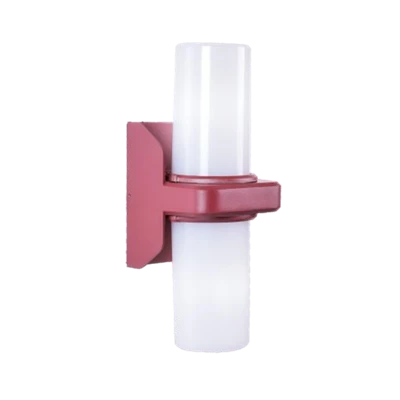
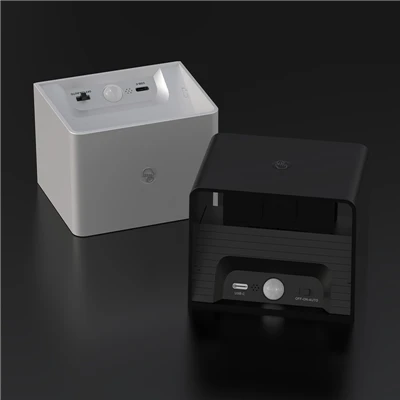
Hey there! As a supplier of LED sconce lights, I've seen my fair share of issues that customers run into. Troubleshooting problems with an LED sconce light can seem like a daunting task, but it doesn't have to be. In this blog, I'll walk you through some common problems and how to fix them.
No Power
One of the most common issues with LED sconce lights is that they simply won't turn on. If your sconce light isn't getting power, there are a few things you can check.
First, make sure the light is properly plugged in. Sounds obvious, right? But sometimes, the plug can come loose over time, especially if the light is in a high-traffic area. Give the plug a good wiggle and see if the light comes on. If it does, you've found the problem! Just make sure to push the plug in firmly so it stays put.
If the plug is okay, the next thing to check is the circuit breaker. Head over to your electrical panel and look for a tripped breaker. If you find one, flip it back to the "on" position and see if your sconce light starts working. If the breaker trips again right away, there could be a short circuit in the wiring, and you'll probably need to call an electrician.
Another thing to consider is the light switch. Sometimes, the switch can go bad. Try toggling the switch a few times to see if that makes a difference. If the switch feels loose or doesn't seem to be working properly, it might need to be replaced.
Flickering Lights
If your LED sconce light is flickering, it's not only annoying but can also be a sign of a problem. One possible cause of flickering is a loose connection. Check the wiring connections at the back of the light fixture. Make sure all the wires are securely attached and there are no loose strands. If you find any loose connections, tighten them up using a screwdriver.
Another reason for flickering could be a compatibility issue between the LED bulb and the dimmer switch. Not all LED bulbs are compatible with dimmer switches. If you're using a dimmer switch, check the bulb's packaging to see if it's compatible. If not, you'll need to replace the bulb with a dimmable LED bulb. You can also try replacing the dimmer switch with one that's specifically designed for LED lights.
Sometimes, power surges or fluctuations can cause LED lights to flicker. This is more common in areas with unstable electrical grids. If you suspect a power issue, you might want to consider using a surge protector. A surge protector can help protect your LED sconce light from power spikes and keep it running smoothly.
Dim or Uneven Lighting
If your LED sconce light is not as bright as it should be or if the lighting is uneven, there are a few things you can do. First, check the bulb. Over time, LED bulbs can lose their brightness. If the bulb is old, try replacing it with a new one. Make sure to choose a bulb with the right wattage and lumen output for your sconce light.
Another possible cause of dim or uneven lighting is a dirty lens or fixture. Dust and dirt can accumulate on the lens and reduce the amount of light that passes through. You can clean the lens using a soft, dry cloth. If the lens is really dirty, you can use a mild cleaning solution and a damp cloth, but make sure to dry it thoroughly afterward.
If you have multiple LED sconce lights in a room and they're not all the same brightness, it could be due to a difference in the bulbs. Make sure all the bulbs are the same brand and model to ensure consistent lighting.


Overheating
LED lights are known for being energy-efficient and producing less heat than traditional incandescent bulbs. However, they can still overheat if there's a problem. If your LED sconce light feels hot to the touch, there are a few things you can check.
First, make sure the light is properly ventilated. LED lights need some airflow to stay cool. If the sconce light is installed in an enclosed fixture or in a tight space, it might not be getting enough air. You can try moving the fixture to a more open area or adding some ventilation holes to the fixture.
Another possible cause of overheating is using a bulb with too high a wattage. Make sure you're using the correct wattage bulb for your sconce light. If you're not sure, check the fixture's manual or the manufacturer's website.
If the problem persists, there could be an issue with the driver. The driver is the component that regulates the power to the LED bulbs. A faulty driver can cause the bulbs to overheat. If you suspect the driver is the problem, you'll probably need to replace it. This can be a more complex repair, so it might be best to call a professional.
Water Damage
If you have an Outdoor Waterproof LED Wall Light, water damage can be a concern. If the light is not working properly after being exposed to water, there are a few steps you can take.
First, turn off the power to the light at the circuit breaker. This will help prevent any electrical shocks. Then, carefully remove the light fixture from the wall. Check for any signs of water inside the fixture, such as rust or corrosion. If you find water, dry the fixture thoroughly using a dry cloth or a hair dryer on a low setting.
Inspect the wiring for any signs of damage. If the wiring is wet or damaged, you'll need to replace it. Make sure to use waterproof wiring and connectors if you're installing the light outdoors.
If the bulb has been damaged by water, replace it with a new one. You might also want to consider using a more waterproof bulb or adding a waterproof cover to the fixture.
Other Issues
Sometimes, you might run into other issues with your LED sconce light that are harder to diagnose. For example, the light might be making a buzzing sound or the color of the light might be off.
If the light is making a buzzing sound, it could be due to a loose connection, a faulty driver, or a problem with the dimmer switch. Check the connections and try replacing the driver or the dimmer switch if necessary.
If the color of the light is off, it could be due to a problem with the bulb. Try replacing the bulb with a new one to see if that fixes the issue.
Conclusion
Troubleshooting problems with an LED sconce light can be a bit of a challenge, but with a little patience and some basic knowledge, you can usually figure out what's wrong and fix it. If you're still having trouble after trying all the steps above, don't hesitate to reach out to us. We're here to help you get your LED sconce light up and running again.
Whether you're looking for a Planet Wall Lamp for your living room or a Waterproof LED Wall Light for your patio, we've got a wide range of high-quality LED sconce lights to choose from. If you're interested in purchasing our products or have any questions, feel free to contact us for more information and to start a procurement discussion.
References
- General knowledge from years of experience as an LED sconce light supplier.
- Manufacturer's manuals and technical specifications for LED sconce lights.