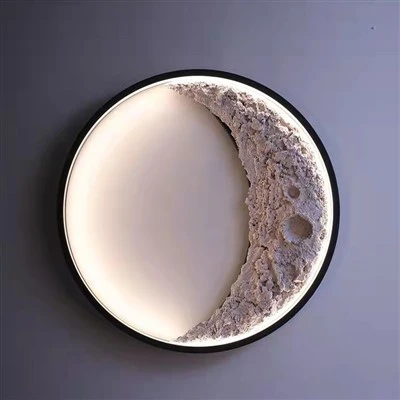
Design Theory:
The emergence of LED has broken the traditional design methods and ideas of light sources, and there are two latest design concepts.
Development Design:
1. In response to the characteristic that LED bulbs only have lighting functions, a series of LED bulbs have been designed, which not only have lighting functions but also decorative functions.
2. Traditional LED bulbs have a fixed lighting direction, while a new design of a bulb that can rotate at any angle has been granted a national invention patent.
Future applications:
Two reports boldly envision what innovative LED applications the world will present in the future. For example, Cary Eskow, the technical director of Avnet, discussed the use of LEDs in the fields of healthcare and psychophysiology. He proposed the potential application of LED in medical diagnostic endoscopes. According to his report, adjusting the color temperature of dual or tri color LEDs will improve doctors' ability to distinguish different tissues. Eskow also proposed that LEDs can be used to adjust human physiological cycles, thereby treating multiple physiological functions including sleep and wakefulness. Controllable blue LED can make people more alert and improve work efficiency without the need for medication or caffeine.