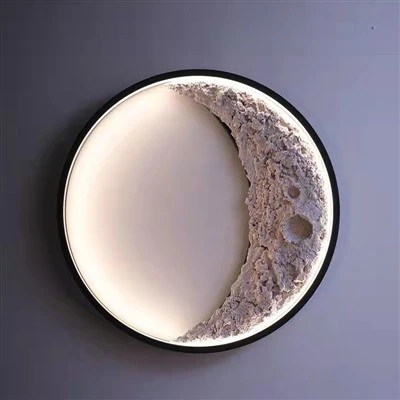
LED bulbs are lighting products based on semiconductor materials that emit light and are widely used in fields such as electronics, optics, and materials science. Its structure consists of LED chips, lenses, heat sinks, lamp holders, etc. Unlike traditional light sources, LED bulbs are powered by a DC low-voltage power supply and can accurately locate and control light output, providing a more stable and comfortable lighting environment.
The principle of LED light bulb is to use semiconductor devices as the core and utilize the catalytic composite luminescence characteristics to achieve the light source. When a forward voltage is applied to the LED chip, the charge in the PN junction region is injected, and when it meets the charge carriers, it releases energy and emits light.
LED bulbs are widely used in fields such as lighting, signal indication, and display screens. It has multiple advantages, such as high efficiency and energy saving, long lifespan, adjustable color and temperature, and mercury free. With the advancement of technology, LED bulbs will become increasingly integrated into people's homes and work lives, becoming a powerful force in the lighting industry.