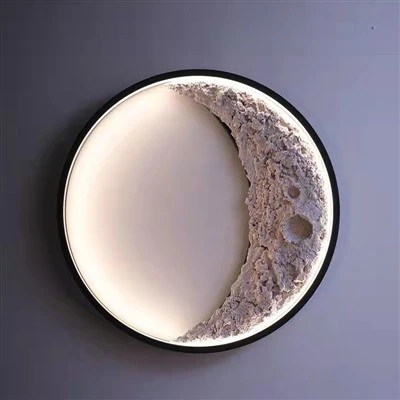
The emission principle of panel lights is mainly based on the emission characteristics of LEDs (Light Emitting Diodes). Specifically, the principle of panel lights can be summarized as follows:
LED light source: One of the core components of panel lights is the LED light source, usually using LED beads or LED strips as the light source. LED is a semiconductor device that can directly convert electrical energy into light energy, with advantages such as high efficiency, energy saving, and environmental protection.
Light guide plate: When the LED light source emits light, the light will pass through the light guide plate for conduction and diffusion. A light guide plate is a type of board with high transmittance and good optical performance, which can evenly distribute the light emitted by LED light sources throughout the entire panel.
Reflection plate and diffusion plate: Under the action of the light guide plate, light will pass through the reflection plate and diffusion plate for further processing. Reflective plates can reflect light, improve the utilization of light, and make the lighting effect of panel lights more efficient. And the diffuser plate can diffuse the light, making it more uniform and soft, avoiding dazzling situations.
Frontal projection: After being treated with a light guide plate, reflection plate, and diffusion plate, light will be projected from the front of the panel to create a uniform and soft lighting effect. This lighting effect not only has high brightness, but also uniform light distribution, making it very suitable for places that require uniform lighting such as offices, schools, hospitals, etc.
Overall, the lighting principle of panel lights is based on the emission characteristics of LED light sources. Through structural design and material selection such as light guide plates, reflection plates, and diffusion plates, efficient, uniform, and comfortable lighting effects are achieved. At the same time, the panel lights also use driving circuits, casings, and other components for control and protection, ensuring the stability and safety of the lamps.