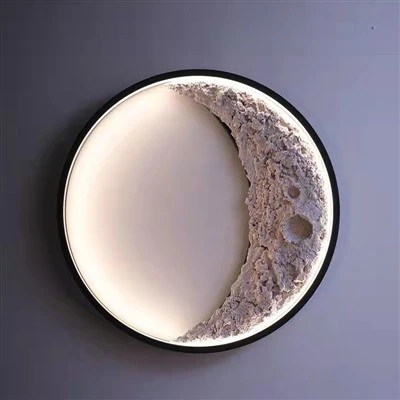
Wall pack light is a robust external outdoor lighting fixture specifically designed for installation on the exterior walls of commercial and industrial buildings to brightly illuminate ground areas, sidewalks, parking lots, and building peripheries. The primary purpose of these lights is to provide enhanced safety and security for pedestrians and vehicles at night. Today, modern LEDwall pack lights have largely replaced traditional metal halide and high-pressure sodium lamps because they offer superior energy efficiency, exceptionally higher lumen output, and a much longer lifespan. In addition, these heavy-duty commercial lighting solutions are typically equipped with integrated phototube sensors for automated dusk-to-dawn operation and are built with weather-resistant housings and high IP protection ratings to withstand harsh environmental conditions, making them the ultimate, maintenance-free option for outdoor lighting.

How Does Wall Pack Light Work?
Wall pack light works by projecting strong, uniform light outward and downward from high points on a vertical surface. Because they are typically installed at a height of 10 to 30 feet, they provide excellent light distribution in wide external spaces.
When you install Wall Pack Light, it connects directly to the building's electrical system. Many modern lighting fixtures incorporate intelligent technologies such as phototubes (dawn to dusk sensors) or motion sensors (passive infrared). This means that the lights will automatically turn on when the sun goes down or motion is detected, maximizing energy savings while ensuring maximum safety lighting when needed most.
Traditional Vs. LEDwall Pack Light: Why LED Is The Standard
If you're researching wall pack light lighting, you might be facing a debate between traditional high-intensity gas discharge lamps and modern LEDs. Here's why LED technology has completely taken over the market:
Significant energy savings: LEDwall pack light consumes 70% to 80% less electricity than its metal halide counterpart, while producing the same or brighter light.
Zero warm-up time: Unlike traditional lights that take several minutes to reach full brightness, the LED turns on immediately.
Longer service life: High-quality LEDwall pack light can last from 50,000 to 100,000 hours, greatly reducing maintenance and replacement costs.
Better light quality: LEDs offer a higher CRI color rendering index, which means that objects illuminated by light appear clearer and closer to their natural colors.
The Main Types Of Wall Pack Light
Not all wall pack lights are the same. Depending on the location of your building and local lighting regulations, you will need to choose a specific style of light distribution:
Non-Truncated (Standard) Wall Pack Light
These are traditional-style lamps with glass or polycarbonate prism lenses. They project light outward, forward, and downward. While they provide excellent, wide-ranging lighting, they can cause light pollution and glare.
Fully Truncated Wall Pack Light (Meets Dark Sky Standards)
The fully truncated wall pack light is designed to direct 100% of its light directly downwards towards the ground. No light is emitted above the horizontal plane of the lamp. These are crucial for complying with dark sky regulations to reduce light pollution, minimize glare, and prevent light from entering adjacent residential areas.
Half-Cut Wall Pack Light
These lamps direct most of the light downwards, but allow a small portion to shine forward. They provide a middle ground between standard extensive lighting and strict glare control.
Building Wall Pack Light
Designed with aesthetics in mind, the architectural wall pack light features a stylish, modern shell. They seamlessly integrate into the building's exterior design, making them ideal for upscale commercial facilities, hotels, and retail stores.
Common Applications: Where Are They Used?
Wall pack light offers incredible versatility due to its durability and powerful lighting. You'll most often find them installed in:
Surrounding commercial buildings: Stop vandalism and increase the visibility of security cameras.
Warehouses and loading docks: Ensure workers can safely load and unload goods at night.
Schools and university campuses: Illuminate pedestrian walkways to ensure student safety.
Hospitals and medical facilities: Provide bright access around the clock for emergency entrances.
Parking garages and unnamed alleys: Eliminate dark, unsafe blind spots in vehicle traffic areas.
4 Key Factors To Consider When Buying Wall Pack Light
If you're ready to upgrade your outdoor lighting, keep these specifications in mind to ensure you get the right fixtures:
Lumens, not watts: Focus on lumen output (brightness) rather than watts (energy consumed). A 50W LEDwall pack light can easily replace a traditional 250W bulb.
Color temperature: For safety purposes, it is strongly recommended to use crisp, bright daylight white (4000 to 5000 Kelvin) for maximum visibility.
IP Protection Rating (Waterproof): Ensure the minimum rating of the lamp is IP65, which guarantees that it is completely sealed to prevent dust and protected from heavy rain and water jets.
Certifications: Look for UL listings, DLC certifications (for energy rebates), and RoHS-compliant labels to ensure you are buying a safe, high-quality product.
FAQ About LED Wall Light
Q: Can you stick led lights on wall?
A: Yes, most LED light strips come with their own adhesive backing. Just wipe the wall clean, remove the protective film, and press it firmly.
Q: Does led lights ruin your walls?
A: Generally not. However, if the glue is too sticky and is pulled too quickly without softening it in advance, it may bring down fragile or freshly painted wall paint.
Q: How do you take led lights off the wall?
A: First, use a hair dryer to slightly heat the adhesive. Once it softens, try to peel the light strip off slowly at a small angle against the wall to prevent damage to the wall paint.
Q: How to fix led strip lights on wall?
A: If it falls, wipe the wall clean with alcohol first. Then use double-sided tape, adhesive clips, or brackets to re-secure any loose parts.
Q: Do led lights need to be plugged into the wall?
A: Not all of them. While there are plenty of light strips that plug into standard wall outlets, you can also buy light strips that can be powered by batteries or USB and can be used without pulling wires.