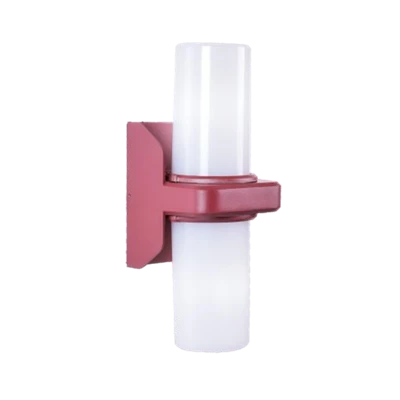
When it comes to illuminating your patio, choosing the right lighting solution is crucial. It not only sets the mood but also ensures functionality and energy efficiency. One lighting option that has gained significant popularity in recent years is the LED filament bulb. As a leading LED filament bulb supplier, I am often asked whether these bulbs can be used in patio lights. In this blog post, I will delve into this question, exploring the suitability of LED filament bulbs for patio lighting, their advantages, and considerations to keep in mind.
Understanding LED Filament Bulbs
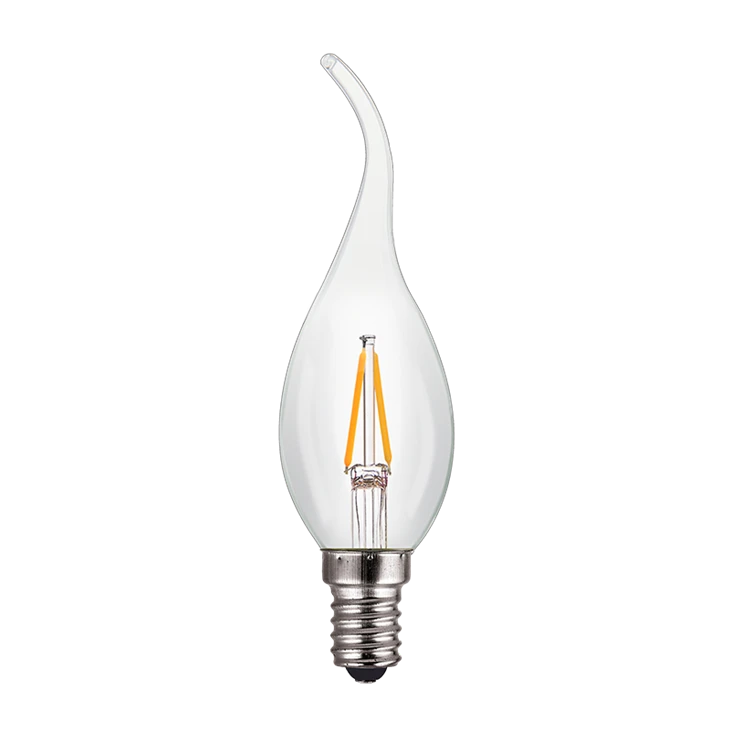
LED filament bulbs are a modern twist on the traditional incandescent bulb. They feature multiple LED filaments arranged in a way that mimics the look of an old - fashioned incandescent bulb, providing a warm, inviting glow. These bulbs offer several benefits over conventional lighting sources, such as energy efficiency, longer lifespan, and lower heat emission.
One of the most attractive features of LED filament bulbs is their aesthetic appeal. The visible filaments create a soft, diffused light that is reminiscent of the classic incandescent bulbs, adding a touch of nostalgia and charm to any space. We offer a variety of LED filament bulbs, including the led filament bulb amber, which provides a warm, golden light perfect for creating a cozy atmosphere.
Suitability for Patio Lights
The short answer is yes, LED filament bulbs can be used in patio lights. However, there are several factors to consider to ensure optimal performance and longevity.
Weather Resistance
Patios are exposed to the elements, so it's essential to choose LED filament bulbs that are weather - resistant. Look for bulbs with an IP (Ingress Protection) rating. The IP rating consists of two digits; the first digit indicates protection against solid objects, and the second against liquids. For patio use, a minimum IP rating of IP44 is recommended, which means the bulb is protected against solid objects larger than 1mm and splashing water from any direction.
Our A60 Filament Bulb and C35 LED Filament Bulb are designed to withstand various environmental conditions. They are built with high - quality materials that can resist moisture, dust, and temperature fluctuations, making them suitable for outdoor use.
Brightness and Color Temperature
The brightness of the bulbs you choose will depend on the size of your patio and the intended use. For general illumination, a bulb with a lumen output of 800 - 1200 lumens is usually sufficient. However, if you plan to use the patio for activities such as reading or dining, you may need brighter bulbs.
Color temperature is another important consideration. It is measured in Kelvin (K). Lower color temperatures (2700K - 3000K) produce a warm, yellow - white light, similar to traditional incandescent bulbs, which is ideal for creating a relaxing and inviting atmosphere. Higher color temperatures (4000K - 5000K) produce a cooler, bluish - white light, which is more suitable for task lighting.
Energy Efficiency
LED filament bulbs are highly energy - efficient compared to traditional incandescent bulbs. They consume up to 80% less energy, which can result in significant cost savings over time. This is especially important for patio lights, which may be used for extended periods.
Advantages of Using LED Filament Bulbs in Patio Lights
Aesthetic Appeal
As mentioned earlier, the warm, soft glow of LED filament bulbs adds a unique and inviting ambiance to your patio. Whether you're hosting a party or enjoying a quiet evening outdoors, the gentle light creates a cozy and relaxing atmosphere.
Long Lifespan
LED filament bulbs have a much longer lifespan than traditional incandescent bulbs. They can last up to 25,000 hours or more, which means you won't have to replace them as often. This is particularly beneficial for patio lights, which can be difficult to access for bulb replacement.
Low Heat Emission
LED filament bulbs emit very little heat compared to incandescent bulbs. This not only reduces the risk of fire hazards but also makes them more comfortable to use in outdoor spaces, especially during hot summer months.
Considerations for Installation
When installing LED filament bulbs in patio lights, make sure to follow the manufacturer's instructions. Ensure that the fixtures are properly grounded and that the bulbs are compatible with the voltage of your electrical system.
It's also a good idea to use a dimmer switch if possible. Dimming the lights can further enhance the ambiance and save energy. However, not all LED filament bulbs are dimmable, so make sure to choose bulbs that are specifically designed for use with dimmer switches.
Maintenance
Maintaining LED filament bulbs in patio lights is relatively easy. Regularly check the bulbs for any signs of damage or moisture ingress. If you notice any issues, replace the bulbs immediately to prevent further damage.
Clean the bulbs periodically with a soft, dry cloth to remove dust and debris. Avoid using abrasive cleaners or solvents, as they can damage the bulbs.
Conclusion
In conclusion, LED filament bulbs are an excellent choice for patio lights. They offer a combination of aesthetic appeal, energy efficiency, and long lifespan. With proper selection, installation, and maintenance, they can provide reliable and beautiful lighting for your patio for many years to come.
If you're interested in purchasing LED filament bulbs for your patio lights or have any questions about our products, we'd love to hear from you. Contact us to discuss your specific requirements and start a procurement negotiation. We're committed to providing you with the best lighting solutions at competitive prices.

References
- "LED Lighting Handbook" by Lighting Research Center
- "Outdoor Lighting Design Guide" by the Illuminating Engineering Society