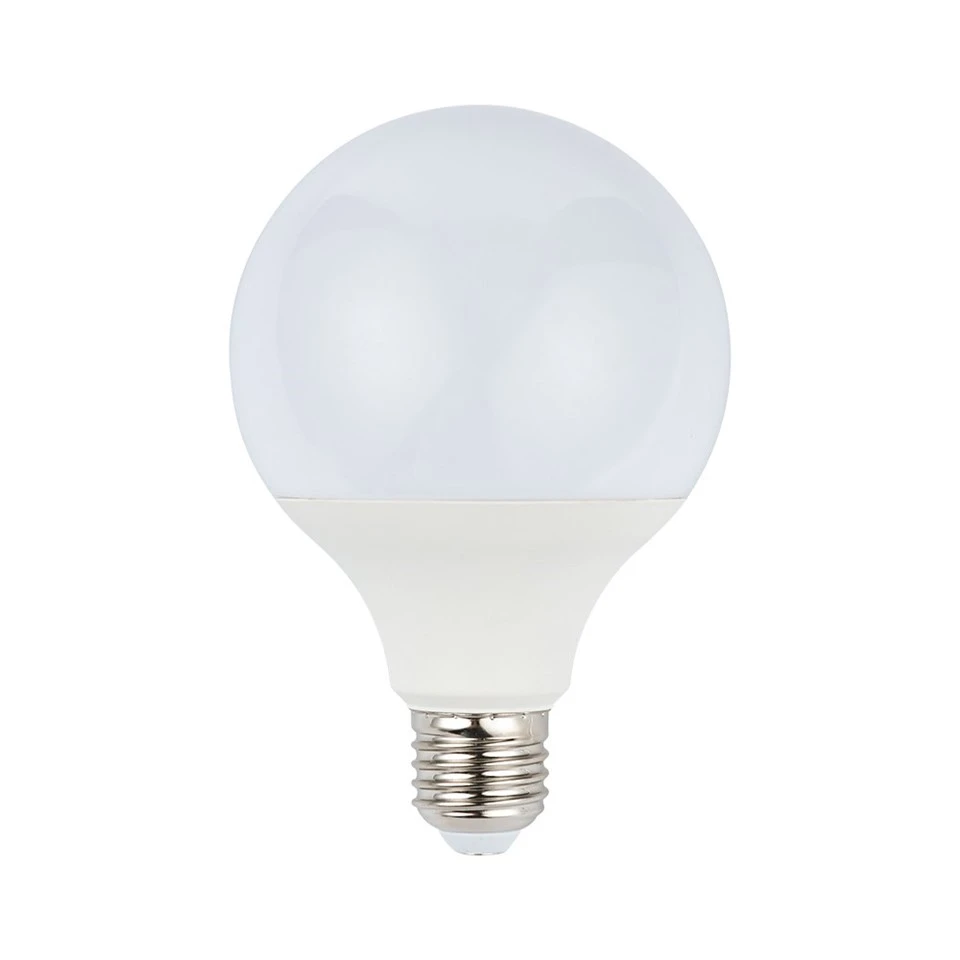
As a supplier of globe LED bulbs, one question that often comes up from our customers is, "How long does it take for a globe LED bulb to reach full brightness?" This seemingly simple question actually delves into the intricate workings of LED technology and can vary based on several factors. In this blog, we'll explore these factors and provide a comprehensive answer to help you understand the performance of our LED Globe Light Bulb.
The Basics of LED Technology
Before we dive into the time it takes for a globe LED bulb to reach full brightness, it's essential to understand the basics of LED technology. Unlike traditional incandescent bulbs that rely on heating a filament to produce light, LEDs (Light - Emitting Diodes) are semiconductor devices. When an electric current passes through the semiconductor material, it causes electrons to recombine with electron holes, releasing energy in the form of light. This process is known as electroluminescence.
One of the key advantages of LEDs is their ability to turn on almost instantaneously. In general, most LED bulbs can reach a significant portion of their full brightness within milliseconds. This is a stark contrast to other lighting technologies, such as fluorescent bulbs, which can take several seconds to warm up and reach their full brightness.
Factors Affecting the Time to Reach Full Brightness
While LEDs are known for their quick start - up times, several factors can influence how long it takes for a globe LED bulb to reach full brightness:
1. Bulb Design and Quality
The design and quality of the LED bulb play a crucial role in its start - up time. High - quality globe LED bulbs are engineered with advanced driver circuits and efficient LED chips. These components are designed to provide a stable and immediate flow of electricity to the LEDs, allowing them to reach full brightness rapidly.
In contrast, lower - quality bulbs may have subpar driver circuits that can cause a slight delay in the power delivery to the LEDs. This delay can result in a longer time to reach full brightness, often noticeable as a brief dimming or flickering when the bulb is first turned on.
2. Temperature
Temperature can have a significant impact on the performance of LED bulbs. LEDs are sensitive to temperature changes, and extreme cold or hot conditions can affect their ability to reach full brightness quickly.
In cold temperatures, the chemical reactions within the LED chips slow down, which can cause a slight delay in the start - up time. The electrons in the semiconductor material move more slowly, reducing the efficiency of the electroluminescence process. As a result, it may take a few extra seconds for the bulb to reach full brightness.
On the other hand, in extremely hot environments, the LED chips can overheat, which can also lead to a delay in reaching full brightness. Overheating can cause the driver circuit to throttle the power to the LEDs to prevent damage, resulting in a slower start - up.
3. Power Supply
The stability and quality of the power supply can also affect the time it takes for a globe LED bulb to reach full brightness. A stable power supply with the correct voltage and frequency is essential for the proper operation of the LED bulb.
If the power supply is unstable or has voltage fluctuations, the LED bulb may experience a delay in reaching full brightness. This is because the driver circuit in the bulb needs a consistent power source to deliver the correct amount of electricity to the LEDs. In some cases, a power surge or drop can even cause the bulb to flicker or not reach full brightness at all.
Typical Timeframes for Globe LED Bulbs
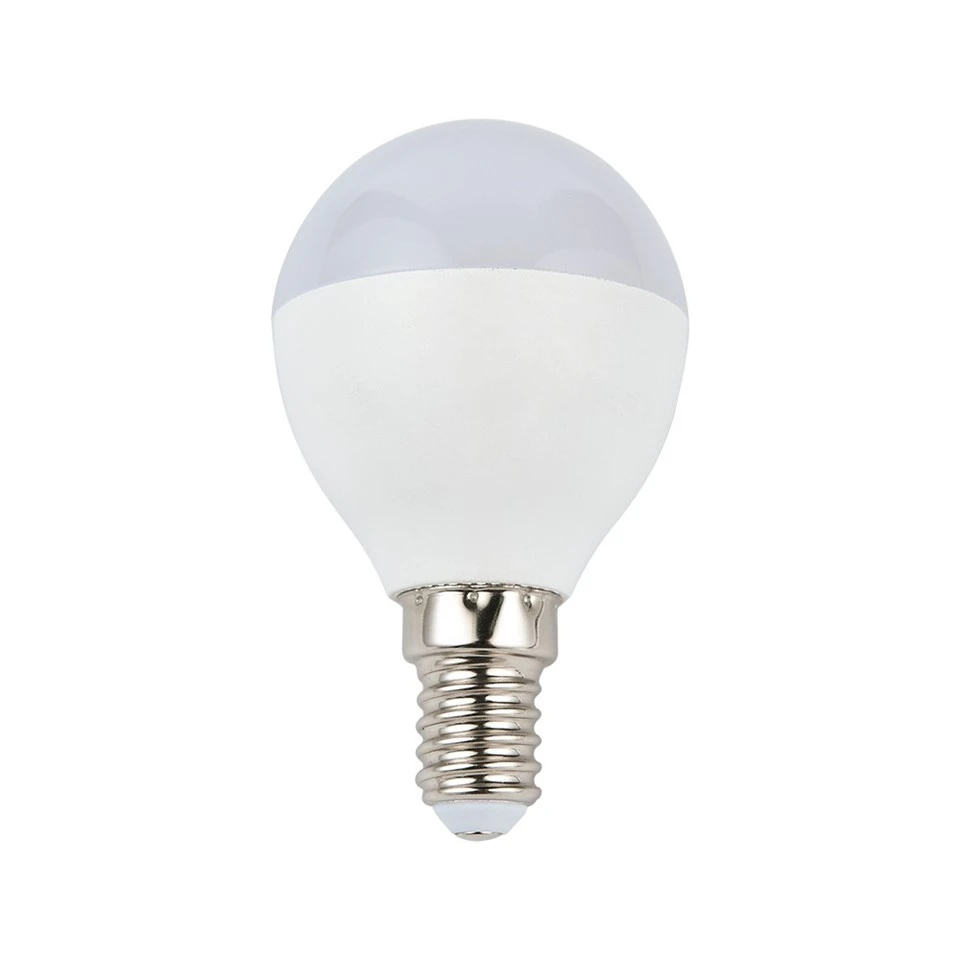
Under normal operating conditions (room temperature and a stable power supply), most of our high - quality G45 LED Bulb and other globe LED bulbs can reach approximately 90 - 95% of their full brightness within 100 milliseconds. This is so fast that it is virtually imperceptible to the human eye.
In about 1 - 2 seconds, the bulb will reach its full rated brightness. This quick start - up time makes globe LED bulbs ideal for applications where instant illumination is required, such as in hallways, stairwells, and bathrooms.
However, if the bulb is operating in extreme temperatures or with an unstable power supply, the time to reach full brightness can increase. In cold temperatures (below freezing), it may take up to 5 - 10 seconds for the bulb to reach full brightness. In hot temperatures (above 40°C), the delay can be slightly shorter, usually around 3 - 5 seconds.
Importance of Quick Start - Up Time
The quick start - up time of globe LED bulbs offers several benefits:
1. Convenience
In areas where you need immediate light, such as when entering a dark room or navigating a staircase, the ability of LED bulbs to reach full brightness instantly is a significant advantage. You don't have to wait for the light to warm up, which can be especially important in emergency situations.
2. Energy Efficiency
Since LED bulbs reach full brightness quickly, there is no wasted energy during a warm - up period. This makes them more energy - efficient compared to other lighting technologies that consume additional power during the warm - up phase.
3. Longevity
The quick start - up process puts less stress on the LED components, which can contribute to a longer lifespan of the bulb. Unlike fluorescent bulbs, which can experience wear and tear during the warm - up process, LEDs have a more stable start - up, reducing the likelihood of premature failure.
Contact Us for Your Globe LED Bulb Needs
If you're interested in learning more about our globe LED bulbs or have specific requirements for your lighting project, we'd love to hear from you. Our team of experts can provide you with detailed information about the start - up times, performance, and energy efficiency of our products. Whether you're a homeowner looking to upgrade your lighting or a commercial contractor in need of high - quality bulbs, we have the solutions to meet your needs.
We offer a wide range of globe LED bulbs, including LED Globe Light Bulb and G45 LED Bulb, in various sizes, wattages, and color temperatures. Contact us today to discuss your options and start enjoying the benefits of our high - quality LED lighting solutions.
References
- "LED Lighting Technology: Principles and Applications" by John A. Reilly
- "Handbook of LED Technology" edited by Roland Haitz and Michael R. Krames
- Industry reports on LED lighting performance and standards