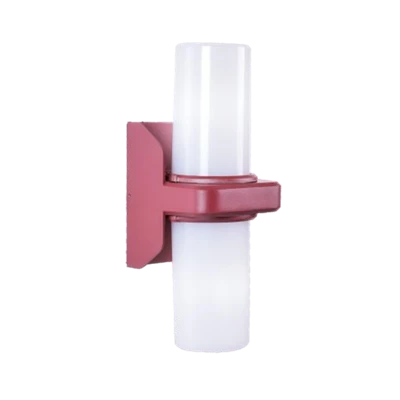
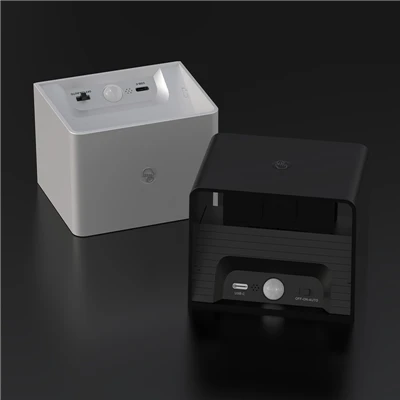
As a supplier of mini LED lamps, I often encounter questions from customers about various technical specifications, and one of the most frequently asked questions is, "What is the beam angle of a mini LED lamp?" In this blog post, I will delve into the concept of beam angle, its significance, and how it relates to our mini LED lamp products.

Understanding Beam Angle
The beam angle of a lighting fixture refers to the angle at which light is emitted from the source. It is measured in degrees and determines the spread of light in a particular area. A narrow beam angle means that the light is concentrated in a small area, creating a spotlight effect. On the other hand, a wide beam angle spreads the light over a larger area, providing more general illumination.
To visualize this, imagine a flashlight. When you adjust the focus of the flashlight to make the beam narrower, the light becomes more intense in a small area. Conversely, when you widen the beam, the light covers a larger area but is less intense. The same principle applies to mini LED lamps.
Importance of Beam Angle
The beam angle of a mini LED lamp is crucial because it directly affects the lighting design and functionality. Here are some key reasons why understanding beam angle is important:
- Lighting Design: Different spaces require different lighting effects. For example, in a retail store, you might want to use narrow beam angle lamps to highlight specific products, creating a more dramatic and focused display. In a living room, wide beam angle lamps can provide general illumination for a comfortable and inviting atmosphere.
- Energy Efficiency: By choosing the right beam angle, you can optimize the use of light and reduce energy consumption. If you use a narrow beam angle lamp in a large area, you may need multiple lamps to achieve adequate illumination, which can increase energy usage. On the other hand, using a wide beam angle lamp in a small area may result in wasted light.
- Visual Comfort: The beam angle can also impact visual comfort. A narrow beam angle can create harsh shadows and glare, while a wide beam angle can provide more even lighting and reduce eye strain.
Beam Angle Options in Our Mini LED Lamp Products
At our company, we offer a variety of mini LED lamps with different beam angles to meet the diverse needs of our customers. Here are some of our popular products and their beam angle options:
- Small Round LED Light: This compact and stylish lamp is available with beam angles ranging from 30° to 120°. The narrow beam angle options are ideal for accent lighting, such as highlighting artwork or architectural features. The wider beam angle options are suitable for general illumination in small to medium-sized rooms.
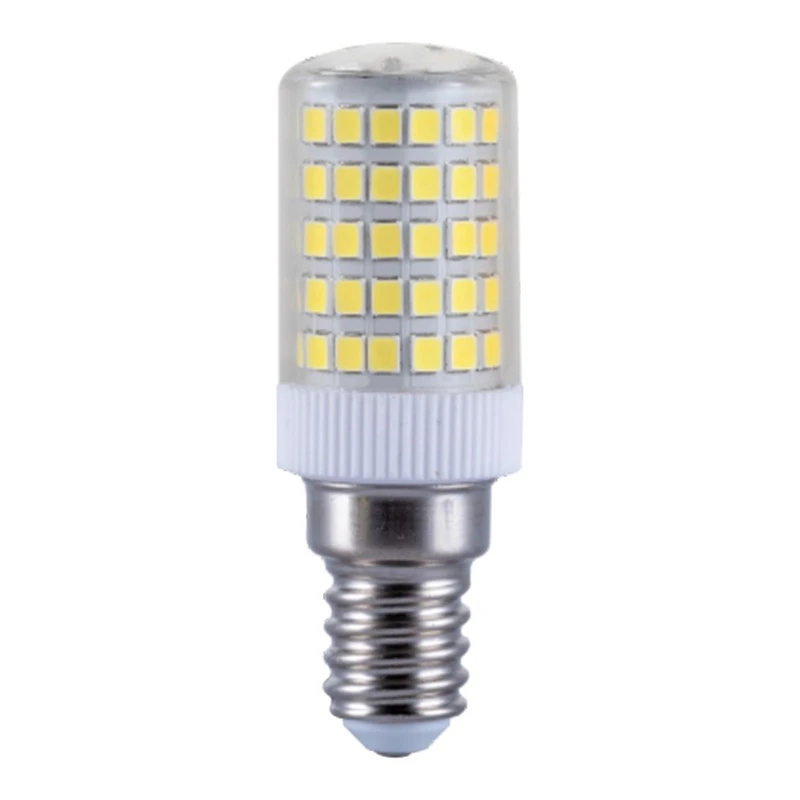
- E14 LED Bulb: The E14 LED bulb is a versatile option that can be used in a variety of fixtures. It offers beam angles from 60° to 180°. The 60° beam angle provides a focused light, making it perfect for task lighting, while the 180° beam angle offers a wide spread of light for general lighting.
- E12 LED Bulb: Similar to the E14 LED bulb, the E12 LED bulb is available with beam angles ranging from 60° to 180°. It is commonly used in decorative fixtures, such as chandeliers and wall sconces. The different beam angle options allow you to create the desired lighting effect in your space.
Factors Affecting Beam Angle
While the beam angle is a key specification of a mini LED lamp, it can be affected by several factors. Here are some of the factors that can influence the beam angle:
- LED Chip Design: The design of the LED chip itself can affect the beam angle. Some LED chips are designed to emit light in a narrow beam, while others are designed for a wider spread.
- Optics and Reflectors: The use of optics and reflectors in the lamp can also modify the beam angle. For example, a reflector can be used to focus the light and reduce the beam angle, while a diffuser can be used to spread the light and increase the beam angle.
- Mounting and Placement: The way the lamp is mounted and placed can also impact the beam angle. For example, if a lamp is mounted too close to a wall, the light may be reflected off the wall, changing the beam angle.
Choosing the Right Beam Angle
When choosing a mini LED lamp, it is important to consider the specific lighting needs of your space. Here are some tips to help you choose the right beam angle:
- Determine the Purpose: First, determine the purpose of the lighting. Is it for task lighting, accent lighting, or general illumination? This will help you narrow down the beam angle options.
- Measure the Space: Measure the size of the space where the lamp will be installed. A larger space may require a wider beam angle to provide adequate illumination, while a smaller space may benefit from a narrower beam angle.
- Consider the Height: The height at which the lamp is installed can also affect the beam angle. If the lamp is installed high up, a wider beam angle may be needed to cover a larger area.
- Test and Experiment: If possible, test different beam angle options in your space to see which one works best. This will give you a better idea of the lighting effect and help you make an informed decision.
Conclusion
In conclusion, the beam angle of a mini LED lamp is an important factor to consider when choosing the right lighting for your space. By understanding the concept of beam angle, its significance, and the factors that affect it, you can make an informed decision and create the desired lighting effect. At our company, we offer a wide range of mini LED lamps with different beam angle options to meet the diverse needs of our customers. If you have any questions or need further assistance in choosing the right beam angle for your project, please feel free to contact us. We are here to help you find the perfect lighting solution for your space.
References
- Lighting Research Center. (n.d.). Understanding Beam Angle. Retrieved from [Website URL]
- Philips Lighting. (n.d.). Beam Angle Explained. Retrieved from [Website URL]
- LED Lighting Association. (n.d.). Beam Angle and Its Impact on Lighting Design. Retrieved from [Website URL]