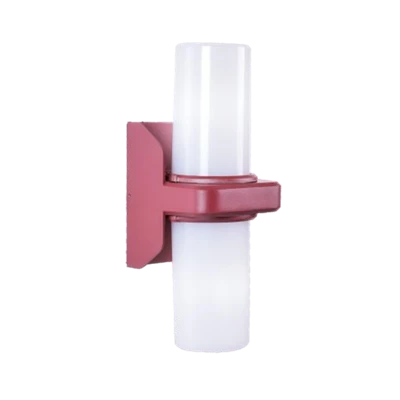
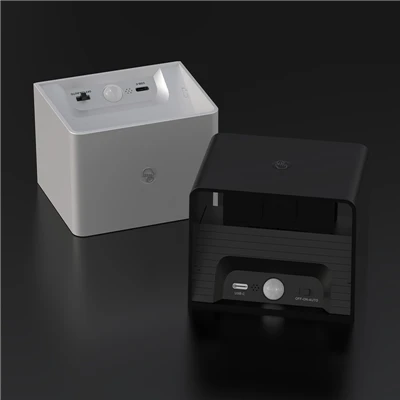
Voltage is a critical factor that significantly influences the performance, lifespan, and overall functionality of LED sconce lights. As a leading supplier of LED sconce lights, we understand the importance of voltage and its impact on these lighting fixtures. In this blog, we will delve into the various aspects of how voltage affects LED sconce lights, providing you with valuable insights to make informed decisions when choosing and using these products.
Understanding Voltage and LED Sconce Lights
LED (Light Emitting Diode) sconce lights are semiconductor devices that convert electrical energy into light. Unlike traditional incandescent or fluorescent lights, LEDs operate on low-voltage direct current (DC). The voltage requirements for LED sconce lights typically range from 12 to 24 volts, although some may operate at higher or lower voltages depending on the specific design and application.
The voltage supplied to an LED sconce light determines the amount of current flowing through the LEDs, which in turn affects the brightness and color of the light. A stable and appropriate voltage is essential for ensuring optimal performance and longevity of the LED sconce lights.
Impact of Voltage on Brightness
One of the most noticeable effects of voltage on LED sconce lights is its impact on brightness. Generally, increasing the voltage supplied to an LED will result in a proportional increase in brightness. However, this relationship is not linear, and there is a maximum voltage beyond which the LED may be damaged.
When the voltage is too low, the LED sconce light may not reach its full brightness potential. This can result in a dim or dull appearance, which may not be suitable for the intended application. On the other hand, if the voltage is too high, the LED may become over-driven, leading to excessive heat generation and a shorter lifespan.
To ensure consistent and optimal brightness, it is important to use a power supply that provides a stable and appropriate voltage for the LED sconce lights. Many LED sconce lights come with built-in drivers that regulate the voltage and current, ensuring that the LEDs operate within their specified limits.
Impact of Voltage on Color Temperature
Voltage can also affect the color temperature of LED sconce lights. Color temperature is measured in Kelvin (K) and refers to the perceived warmth or coolness of the light. A lower color temperature (e.g., 2700K - 3000K) produces a warm, yellowish light, similar to traditional incandescent bulbs, while a higher color temperature (e.g., 5000K - 6500K) produces a cool, bluish light.
When the voltage supplied to an LED sconce light changes, the color temperature of the light may also change. This is because the electrical characteristics of the LEDs can be affected by the voltage, which in turn affects the emission spectrum of the light. In general, increasing the voltage may cause the color temperature to shift towards the cooler end of the spectrum, while decreasing the voltage may cause it to shift towards the warmer end.
To maintain a consistent color temperature, it is important to use a power supply that provides a stable voltage. Additionally, some LED sconce lights are designed to be color temperature adjustable, allowing you to customize the color of the light to suit your preferences and the specific application.
Impact of Voltage on Lifespan
The voltage supplied to an LED sconce light can also have a significant impact on its lifespan. LEDs are known for their long lifespan, but this can be reduced if they are operated at incorrect voltages.
When an LED is operated at a voltage higher than its rated voltage, it may experience increased stress and heat generation, which can cause the LED to degrade more quickly. Over time, this can lead to a decrease in brightness and color quality, as well as a shorter overall lifespan.
On the other hand, operating an LED at a voltage lower than its rated voltage may not cause immediate damage, but it can also affect the performance and lifespan of the LED. In some cases, the LED may not reach its full brightness potential, and the color temperature may be affected.
To ensure the longest possible lifespan for your LED sconce lights, it is important to use a power supply that provides a stable and appropriate voltage. Additionally, it is recommended to avoid over-driving the LEDs by using a power supply that is rated for the specific LED sconce lights.
Impact of Voltage Fluctuations
Voltage fluctuations can also have a negative impact on the performance and lifespan of LED sconce lights. In some areas, the voltage supplied by the electrical grid may vary due to factors such as power demand, weather conditions, or electrical faults. These voltage fluctuations can cause the LED sconce lights to flicker, dim, or even fail prematurely.
To protect your LED sconce lights from voltage fluctuations, it is recommended to use a voltage regulator or a surge protector. A voltage regulator can help to maintain a stable voltage supply to the LED sconce lights, while a surge protector can protect the lights from sudden voltage spikes.
Choosing the Right Voltage for LED Sconce Lights
When choosing LED sconce lights, it is important to consider the voltage requirements of the lights and the power supply available. Most LED sconce lights are designed to operate on a specific voltage range, and it is important to choose a power supply that provides a voltage within this range.
If you are unsure about the voltage requirements of your LED sconce lights, it is recommended to consult the manufacturer's specifications or contact a professional electrician. They can help you to determine the appropriate voltage and power supply for your specific application.
Our LED Sconce Lights and Voltage Compatibility
As a supplier of LED sconce lights, we offer a wide range of products that are designed to operate on different voltages. Our lights are compatible with both 12-volt and 24-volt power supplies, allowing you to choose the option that best suits your needs.
We also offer a variety of power supplies and drivers to ensure that our LED sconce lights operate at the optimal voltage. Our power supplies are designed to provide a stable and reliable voltage, protecting your lights from voltage fluctuations and ensuring long-lasting performance.
Conclusion
In conclusion, voltage plays a crucial role in the performance, lifespan, and overall functionality of LED sconce lights. By understanding the impact of voltage on these lighting fixtures, you can make informed decisions when choosing and using LED sconce lights.
If you are in the market for high-quality LED sconce lights, we invite you to explore our range of products. Our lights are designed to provide superior performance, energy efficiency, and durability, making them the perfect choice for any indoor or outdoor lighting application.
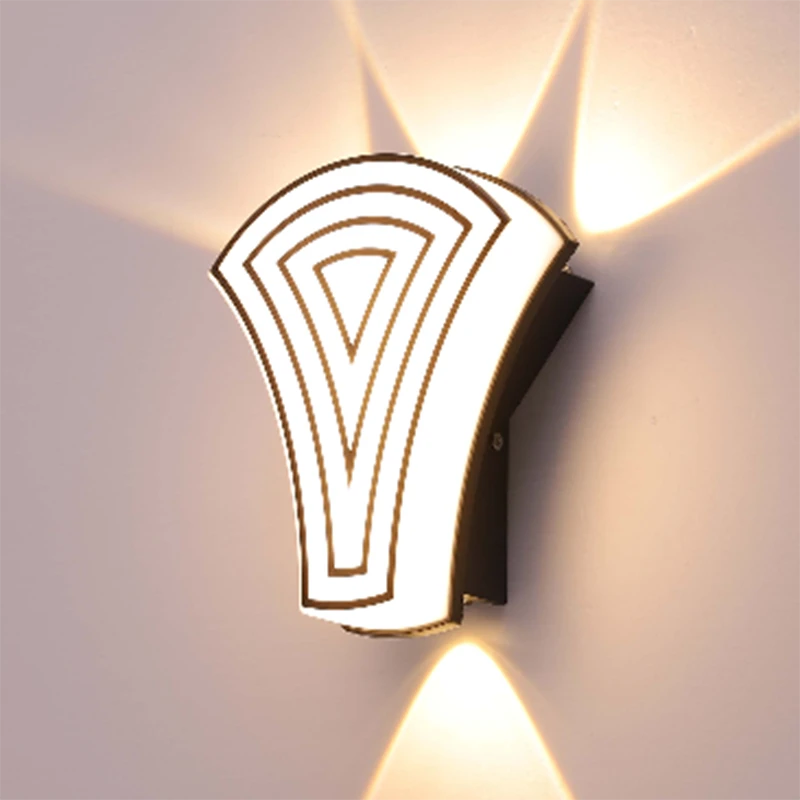

To learn more about our LED sconce lights and to discuss your specific requirements, please contact us. We look forward to working with you to provide the best lighting solutions for your needs.
References
- LED Lighting Technology: A Guide to Understanding LED Lighting
- LED Lighting: How It Works and Why It Matters
- Understanding Voltage and Current in LED Lighting