LED Panel Light

HANGZHOU JUNENG LIGHTING CO., LTD : Your Trustworthy LED Panel Light Manufacturer!

HANGZHOU JUNENG LIGHTING CO., LTD is an integrated comprehensive lighting manufacturer covering R&D, production, distribution, and after-sales in Hang Zhou, Zhejiang province. We mainly use various kinds of LED lamps, like LED bulbs, LED panel lights, LED tubes, and led downlights.

Rich Product Range

Our company can produce and manufacture LED bulbs, LED filament bulbs, LED panel lights, LED downlights, mini LED lights, LED floodlights, LED bulkhead lights, etc.

Wide Sales Market

Our products have a good market in Asia, Europe, the Middle East, North and South America, etc., and are committed to providing customers with the most competitive products.

Leading Service

We have many years of industry experience and a complete production management, quality supervision, sales service operation system. Whether you want to buy mini LED lights or LED panel lights, just send your requirements by email, and we can customize the product for you.

Customizable

Our team has multi-professional R&D and production experience in the field of product research and development, which can meet the needs of different markets and customers. And OEM/ODM customization is available.


First 123 Last 1/3

What is LED Panel Light


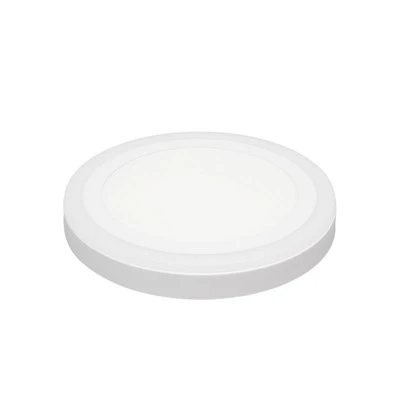
An LED panel light, often referred to as an LED ceiling panel or LED flat panel, is a type of lighting fixture designed to deliver uniform illumination over large areas while maintaining high energy efficiency. It gets its name from its distinctive flat profile, which is typically square or rectangular.

Features of LED Panel Light

Energy Savings

The energy consumption of LED panel lights is much lower than other options such as incandescent and fluorescent lights. In terms of bulb replacement cost, the payback period for these lights is also a lot less than using traditional bulbs that consume a lot of energy.

Longer Lifespan

Another great benefit is the long lifespan that LED panel lights to have, as they can last up to 100,000 hours. This means that you can save a lot of money on replacement costs over time, as these bulbs rarely need to be replaced before their natural life runs out.

Unbeatable Brightness

The light bulb technology behind these panels is one of the best in the industry. It allows them to use less energy than other lighting options while still producing a great deal of brightness.

 
Types of LED Panel Light
 
01/

Edge-Lit LED Panels
Edge-lit LED panels feature LEDs positioned around the edges of the panel, directing the light towards the center. They utilize a light guide plate to distribute the light evenly across the panel's surface. These panels are known for their slim profile and are ideal for spaces with limited ceiling height.

02/

Back-Lit Led Panels
Back-lit LED panels have LEDs positioned at the back of the panel, facing the diffuser. The light is evenly distributed across the panel through a diffuser, creating a uniform illumination. These panels offer excellent brightness and are commonly used in commercial settings such as offices and retail spaces.

03/

Direct-Lit Led Panels
Direct-lit LED panels have individual LEDs distributed across the entire surface of the panel. These panels provide a high level of brightness and are suitable for spaces that require intense illumination, such as warehouses and industrial facilities. Direct-lit panels are also known for their robust construction and long lifespan.

04/

Tunable White LED Panels
Tunable White LED panels allow you to adjust the color temperature of the light, ranging from warm white to cool white. This feature enables you to create different lighting moods and adapt the ambiance of the space according to your needs. Tunable White panels are commonly used in applications where dynamic lighting is desired, such as art galleries and hospitality venues.

05/

RGB LED Panels
RGB LED panels offer the ability to produce a wide range of colors by combining red, green, and blue LEDs. These panels are often used for decorative purposes, allowing you to create vibrant and eye-catching lighting displays. RGB panels are popular in entertainment venues, architectural lighting, and stage lighting applications.

06/

Dimmable LED Panels
Dimmable LED panels provide the flexibility to adjust the brightness level according to the desired ambiance or task requirements. These panels can be dimmed using compatible dimmer switches or control systems, allowing you to create a cozy atmosphere or increase the light output when needed. Dimmable panels are commonly used in residential spaces, restaurants, and hotels.

07/

Emergency LED Panels
Emergency LED panels are designed to provide illumination in the event of a power outage. These panels feature an integrated backup battery that automatically activates when the main power supply fails. Emergency panels ensure a safe and well-lit environment during critical situations, making them suitable for areas where uninterrupted lighting is essential, such as hospitals and emergency exits.

08/

Customizable LED Panels
Customizable LED panels offer the flexibility to create unique lighting designs tailored to specific requirements. These panels can be customized in terms of shape, size, color temperature, and even graphics or logos. Customizable LED panels are often used in retail spaces, corporate offices, and architectural lighting installations.

 
Parts of LED Panel Light

The LED Chips: Heart of the Panel Light
The LED chips are the core component of panel lights, serving as the primary source of illumination. These chips convert electrical energy into light through electroluminescence, providing bright, energy-efficient lighting. The quality and configuration of LED chips significantly influence the performance and lifespan of the panel light. High-quality LED chips offer superior brightness, color accuracy, and longevity, reducing the need for frequent replacements and maintenance.


The Role of the Diffuser: Ensuring Even Light Distribution
The diffuser plays a crucial role in panel lights by ensuring that the light emitted is evenly distributed across the surface, creating a soft and uniform illumination. This component is typically made from materials like acrylic or polycarbonate, which are designed to scatter light efficiently. The primary function of the diffuser is to eliminate harsh spots and reduce glare, making the light more comfortable for the eyes.


The Back Panel: Supporting Structure and Heat Dissipation
The back panel of a panel light serves as a critical component, fulfilling two essential functions: providing structural support and facilitating heat dissipation. Constructed from materials like aluminum or other heat-conductive metals, the back panel ensures the panel light remains sturdy and durable, protecting the delicate internal components from external damage. Its robust design helps maintain the overall integrity of the panel light, allowing it to be mounted securely in various settings.


Power Supply Unit: Delivering Consistent Power
The power supply unit (PSU) is a critical component in panel lights, ensuring they receive a steady and reliable flow of electricity. It converts the standard AC voltage from the main electrical supply into the appropriate DC voltage required by the LED chips. This conversion is essential for the optimal performance and longevity of the panel light. The PSU is designed to manage voltage fluctuations and protect the internal components from potential damage caused by electrical surges or instability.


Control Systems: Enhancing Functionality and Efficiency
Control systems play a pivotal role in enhancing the functionality and efficiency of panel lights. These systems encompass various mechanisms designed to regulate and optimize the operation of the lights, ensuring optimal performance and energy efficiency. One key aspect of control systems is dimming capabilities, allowing users to adjust the brightness of the panel lights according to their specific needs and preferences. This not only enables customization of lighting levels for different tasks or environments but also contributes to energy conservation by reducing power consumption when full brightness is not required.

How to Choose LED Panel Light


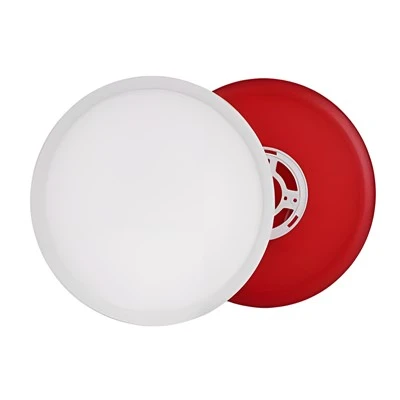
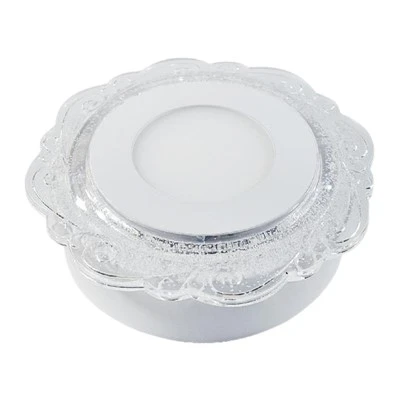
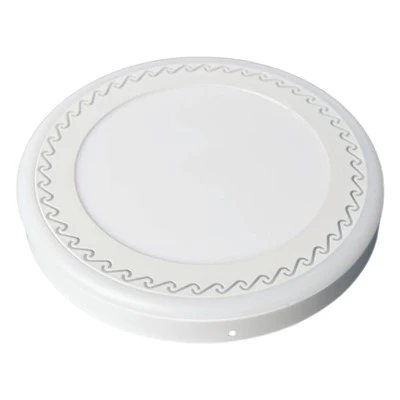
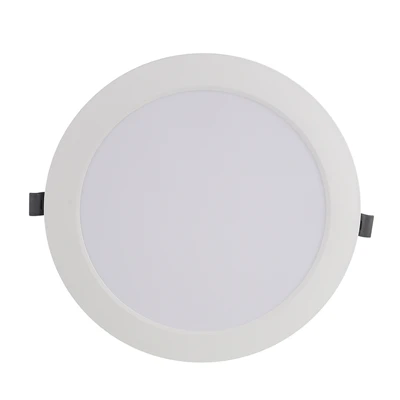
Round LED Panel Light

Space and Area Measurement
The dimensions of your room will greatly influence the type of lighting you need. Large rooms require multiple LED panels, while smaller spaces benefit from just one or two strategically placed lights. Keep in mind the height of your ceilings, as higher placements require more powerful lighting options.


Desired Brightness
The brightness of an LED panel light is measured in lumens. To understand how much brightness you'll need, you can check the lumens per square foot recommended for different types of spaces. For example, an open office plan requires more lumens per square foot than a conference room.


Purpose of the Room
The room's function is another crucial factor in choosing the best LED panel lights. A classroom, for instance, requires bright, clear lighting so students can study, while a teacher's lounge may benefit from softer, dimmable options to create a relaxed space where faculty can unwind between classes.


Installation Method
Consider how you intend to install the panel lights for your space. The three most common forms of installation for LED panel lights are mounting into a drop ceiling, mounting onto a solid surface or suspending via steel cables. Make sure you understand the installation requirements and whether additional costs are involved before purchasing.

How to Install LED Panel Light


Step 1: Turn Off the Power to The Fixture
Your safety should come first when handling electrical work. Begin by turning off the power supply to the light panel at the circuit breaker box in your home. This step will prevent electric shock or electrocution during installation.


Step 2: Remove the Old LED Panel Light
Once the power supply is shut off, you can remove the old LED panel light from the ceiling. This step involves taking out the screws that hold the light fixture in place or pressing the clips to loosen it from the ceiling.


Step 3: Disconnect the Wiring
When you’ve removed the old light fixture, the wiring will be exposed. Disconnect the wires by unscrewing the wire nuts, taking note of which wires were connected so that you can reconnect them correctly with the new light panel.


Step 4: Install the New LED Panel Light
Once you’ve completed the disconnection process, installing the new LED panel light is time. Place the new panel light into position by aligning the screws or clips, and secure it using the screws that came with the panel. Next, attach the electrical wiring as before, ensuring that all wires are correctly connected and the wire nuts are screwed tightly.


Step 5: Fasten the Light Panel to Ceiling
Secure the LED panel light by attaching the mounting clips or screws to the ceiling. Be sure not to overtighten, as this could damage the fixture or cause it to become unstable. You should also make sure that all wiring is correctly connected and neatly tucked away before fastening the fixture in place.


Step 6: Connect the Power Supply
Once you’ve installed and secured the new LED panel light, it’s time to reconnect the power to the light. Connect the fixture’s wiring with the existing wires in your ceiling, and make sure all connections are tight and secure.


Step 7: Test the New LED Panel Light
The last step is to test out your new LED panel light by turning on the power supply. If it doesn’t work properly or you experience any flickering, be sure to check the wiring and connections, as this could be an issue with the installation.

 
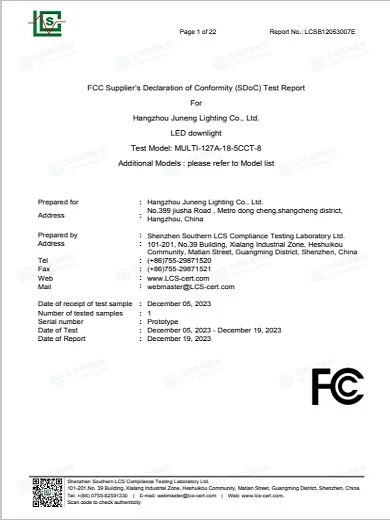
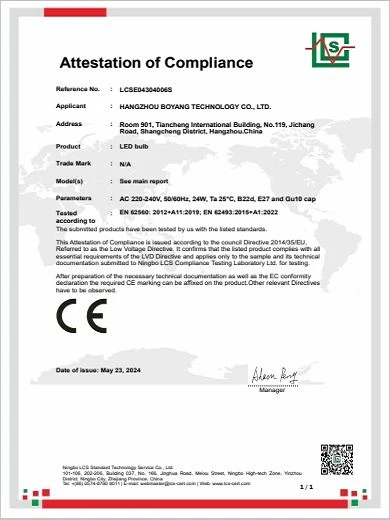
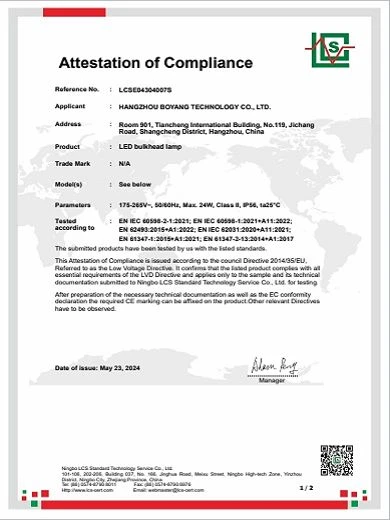
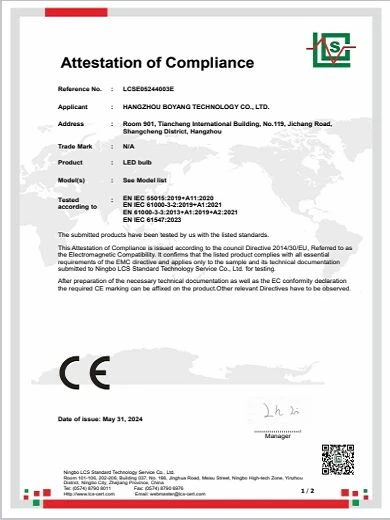
Certificate
productcate-1-1
productcate-1-1
productcate-1-1
productcate-1-1
productcate-1-1
productcate-1-1
productcate-1-1
Frequently Asked Questions

Q: What is an LED panel light?

A: An LED panel light is a modern lighting fixture that uses light-emitting diodes (LEDs) as its light source. These panels are typically flat, rectangular, or square in shape and are designed to provide uniform, energy-efficient illumination. LED panel lights are commonly used in commercial spaces, offices, and homes due to their long lifespan, low energy consumption, and sleek design.

Q: How do LED panel lights work?

A: LED panel lights work by using multiple LED chips placed on a flat panel, which is backed by a diffuser to spread the light evenly across the surface. The panel directs light downwards, creating bright and uniform illumination without the shadows or glare often associated with traditional lighting. The LED technology ensures low energy consumption while delivering high levels of brightness.

Q: What are the benefits of using LED panel lights?

A: LED panel lights offer numerous benefits, including energy efficiency, long lifespan, and cost savings on electricity bills. They provide uniform light distribution without flickering or glare, making them ideal for workspaces. Additionally, LED panel lights are environmentally friendly, as they use less energy and produce less heat compared to traditional lighting sources like fluorescent or incandescent bulbs.

Q: Where are LED panel lights commonly used?

A: LED panel lights are commonly used in offices, commercial spaces, hospitals, schools, and homes. They are ideal for areas that require consistent, bright lighting, such as meeting rooms, hallways, kitchens, and living rooms. The sleek, low-profile design of LED panel lights makes them suitable for modern interiors, offering a clean and minimalist look while providing effective lighting.

Q: What are the different types of LED panel lights available?

A: LED panel lights come in various types, including surface-mounted, recessed, and suspended models. Surface-mounted LED panels are installed directly on ceilings or walls. Recessed LED panels fit into ceiling grids, creating a flush, seamless appearance. Suspended LED panels hang from ceilings using wires, offering a modern, floating aesthetic. They also come in different sizes, color temperatures, and dimming options.

Q: How energy-efficient are LED panel lights compared to traditional lighting?

A: LED panel lights are significantly more energy-efficient than traditional lighting sources such as incandescent or fluorescent bulbs. They consume up to 70% less energy while providing the same or even higher levels of brightness. This efficiency leads to reduced electricity costs and a lower carbon footprint, making LED panel lights an environmentally friendly and cost-effective lighting solution.

Q: How long do LED panel lights last?

A: LED panel lights have a long lifespan, typically lasting between 30,000 to 50,000 hours, depending on the quality of the fixture. This is much longer than traditional lighting, such as incandescent bulbs, which usually last around 1,000 hours. The long lifespan of LED panel lights reduces the need for frequent replacements, making them a cost-effective and low-maintenance lighting option.

Q: Can LED panel lights be dimmed?

A: Yes, many LED panel lights come with dimming capabilities. Dimmable LED panel lights allow users to adjust the brightness according to their needs, providing flexibility in lighting design and energy savings. However, not all LED panels are dimmable, so it's important to check the product specifications before purchasing. Dimmable lights require compatible dimmer switches for proper operation.

Q: Are LED panel lights environmentally friendly?

A: Yes, LED panel lights are environmentally friendly due to their energy efficiency and long lifespan. They use significantly less electricity compared to traditional lighting sources, which reduces greenhouse gas emissions. Additionally, LEDs do not contain harmful substances like mercury, which is found in fluorescent bulbs, making them safer for disposal and better for the environment.

Q: How do I install LED panel lights?

A: Installing LED panel lights depends on the type (recessed, surface-mounted, or suspended). For recessed models, remove the ceiling tile and fit the LED panel into the grid. For surface-mounted lights, attach the panel directly to the ceiling or wall using mounting brackets. Suspended LED panels require hanging wires. Always follow the manufacturer’s instructions and ensure proper wiring for safe installation.

Q: What is the difference between cool white and warm white LED panel lights?

A: Cool white LED panel lights emit a bright, bluish-white light, making them ideal for workspaces, offices, and areas that require task lighting. Warm white LED panel lights, on the other hand, produce a softer, yellowish light, creating a more relaxed and comfortable atmosphere. They are commonly used in living rooms, bedrooms, and other spaces where a cozy ambiance is desired.

Q: Can LED panel lights reduce eye strain?

A: Yes, LED panel lights can help reduce eye strain because they provide even, flicker-free illumination. Unlike traditional lighting, which can cause glare and uneven light distribution, LED panel lights offer a soft, uniform light that reduces glare on screens and surfaces. This makes them particularly suitable for offices and other environments where prolonged visual tasks are performed.

Q: Are LED panel lights safe for home use?

A: Yes, LED panel lights are safe for home use. They do not emit harmful ultraviolet (UV) rays or excessive heat, making them safer than some traditional lighting options. Additionally, they are more energy-efficient and longer-lasting. As with any electrical appliance, it's important to ensure that LED panel lights are installed correctly and meet safety standards to prevent issues like electrical fires.

Q: How do I choose the right size of LED panel light for my space?

A: When choosing the right size of LED panel light, consider the size of the room and the height of the ceiling. For larger rooms, you may need bigger panels or multiple fixtures to provide adequate illumination. Common sizes for LED panel lights are 600x600mm and 1200x600mm. Measure the space and consult a lighting professional if needed to determine the appropriate size and quantity.

Q: What is the ideal color temperature for LED panel lights?

A: The ideal color temperature for LED panel lights depends on the intended use of the space. For workspaces and offices, cool white light (4000K-6500K) is ideal as it mimics daylight and helps improve focus. For residential areas like living rooms and bedrooms, warm white light (2700K-3000K) creates a relaxing atmosphere. Choosing the right color temperature enhances both comfort and functionality.

Q: Can I use LED panel lights with smart home systems?

A: Yes, many LED panel lights are compatible with smart home systems. Smart LED panels can be connected to Wi-Fi or Bluetooth and controlled via smartphone apps, voice commands, or home automation systems like Google Home or Amazon Alexa. This allows you to adjust brightness, color temperature, and scheduling, providing convenience and flexibility in managing your home lighting.

Q: How do LED panel lights compare to fluorescent lights?

A: LED panel lights are superior to fluorescent lights in several ways. They are more energy-efficient, consuming less power while providing equal or greater brightness. LED lights also have a longer lifespan, reducing maintenance costs. Additionally, LEDs do not contain mercury, making them safer and more environmentally friendly. Fluorescent lights can flicker and emit UV radiation, which LEDs do not.

Q: What factors should I consider when purchasing LED panel lights?

A: When purchasing LED panel lights, consider factors such as brightness (measured in lumens), energy efficiency, color temperature, size, and compatibility with dimmer switches or smart home systems. The type of installation (recessed, surface-mounted, or suspended) is also important. Additionally, check the quality and warranty offered by the manufacturer to ensure long-lasting performance.

Q: Are LED panel lights waterproof or suitable for outdoor use?

A: Most LED panel lights are designed for indoor use, but there are waterproof models available that are suitable for outdoor or damp environments like bathrooms, kitchens, or covered patios. Look for IP-rated LED panel lights (e.g., IP65) that indicate water resistance. These fixtures are sealed to protect against moisture and dust, making them safe for use in wet areas.

Q: What is the difference between edge-lit and back-lit LED panel lights?

A: Edge-lit LED panel lights have LEDs positioned around the edges of the panel, with light being diffused across the surface. This design creates a slim, lightweight fixture. Back-lit LED panel lights have LEDs located behind the panel, shining light directly through the diffuser. Back-lit panels often provide brighter, more uniform illumination but may be thicker than edge-lit models.

As one of the leading LED panel light manufacturers and suppliers in China, we warmly welcome you to wholesale custom made LED panel light from our factory. Contact us for more cheap products.

warehouse led panel, led array panel, bookstore led panel

(0/10)

clearall