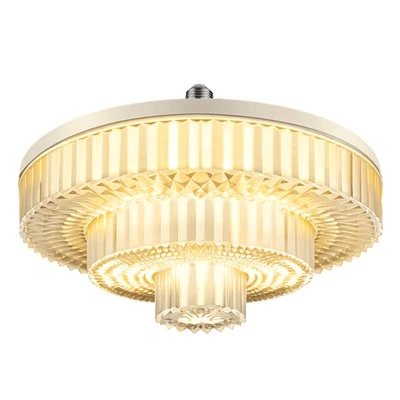
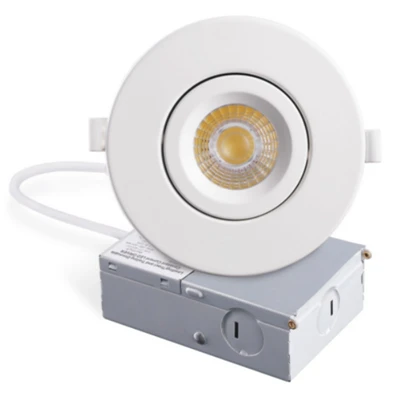
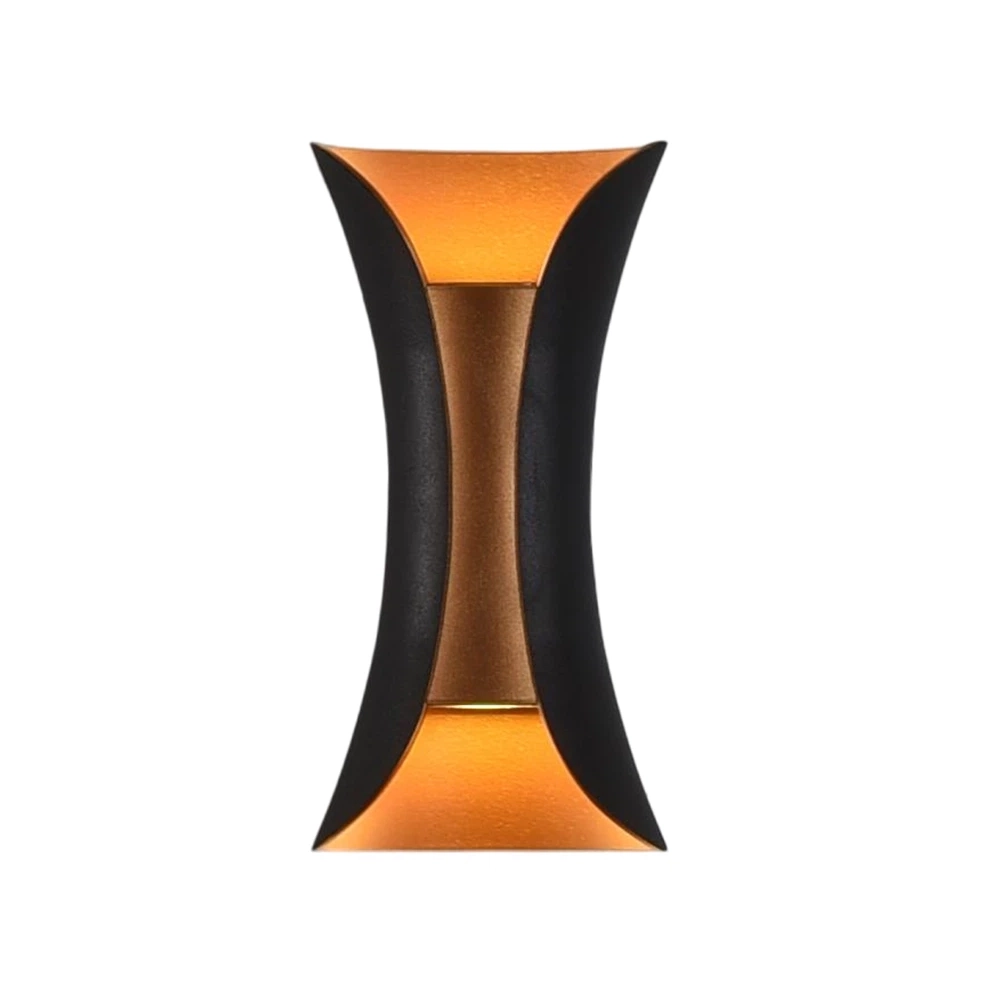
1. Energy saving: White LED consumes only 1/10 of incandescent bulbs and 2/5 of energy-saving bulbs. Longevity: The theoretical lifespan of LED can exceed 100000 hours, making it a "one-time solution" for ordinary household lighting.
2. Can work at high speed: If the energy-saving lamp is frequently started or turned off, the filament will turn black and quickly damage.
3. Solid state packaging: belongs to the type of cold light source. So it is very convenient to transport and install, can be installed in any micro and enclosed device, is not afraid of vibration, and the main consideration is heat dissipation.
4. LED lighting technology is advancing rapidly, with astonishing breakthroughs in luminous efficiency and continuous price reductions. The era of white LED lighting entering households is rapidly approaching.
5. Environmental Protection: It does not contain harmful substances such as mercury (Hg) and will not cause damage to the environment. The assembly components of LED lights can be easily disassembled and assembled, and can be recycled by others without the need for manufacturers to recycle them. LED does not contain infrared or ultraviolet radiation, so it is not susceptible to insects.
6. Fast response speed: LED has a fast response speed, completely eliminating the long start-up process of traditional high-pressure sodium lamps.
Summary: It is evident that the cost of LED lighting fixtures decreases with the continuous improvement of LED technology. Energy saving lamps and incandescent lamps will inevitably be replaced by LED lighting fixtures. The country is paying more and more attention to energy-saving and environmental protection issues in lighting, and has been vigorously promoting the use of LED lamps. Especially for the government's renovation of street lamps, the first step is LED street lamps, which indicates the trend of using LED lamps instead of energy-saving lamps and incandescent lamps.